Ever wondered how to truly master the brightness script in Roblox and make your creations shine? This comprehensive guide dives deep into various scripting techniques and practical applications for enhancing your game's visual appeal. Discover simple yet effective ways to adjust lighting, create stunning dynamic day-night cycles, and implement captivating environmental effects that truly stand out. We cover everything from basic property changes using the Lighting service to more advanced local script integrations, helping you troubleshoot common issues and optimize performance effortlessly. Elevate your Roblox game development with expert insights and clear, actionable steps for controlling in-game illumination. Unlock the secrets to a more vibrant, immersive, and visually appealing player experience today with this essential scripting knowledge.
Latest Most Info about brightness script roblox
Welcome to the ultimate living FAQ about brightness scripts in Roblox, meticulously updated for the latest game engine patches and developer needs. Understanding how to manipulate lighting is absolutely crucial for creating immersive and visually appealing experiences on the Roblox platform. Whether you're a beginner just starting with scripting or an experienced developer looking to fine-tune your game's atmosphere, this comprehensive guide is designed to answer all your pressing questions. We’ve scoured the forums and common user queries to bring you the most relevant information, ensuring you have the knowledge to light up your Roblox worlds perfectly.
Getting Started with Brightness Scripts
What is a brightness script in Roblox?
A brightness script in Roblox is a piece of code, usually written in Lua, that manipulates the lighting properties within a game. Its primary function is to control the overall ambient light intensity or specific light sources in the environment. This script helps developers create varying moods and visual effects, from sunny days to dark nights, directly influencing the player's visual experience.
How do I change the overall brightness in my Roblox game?
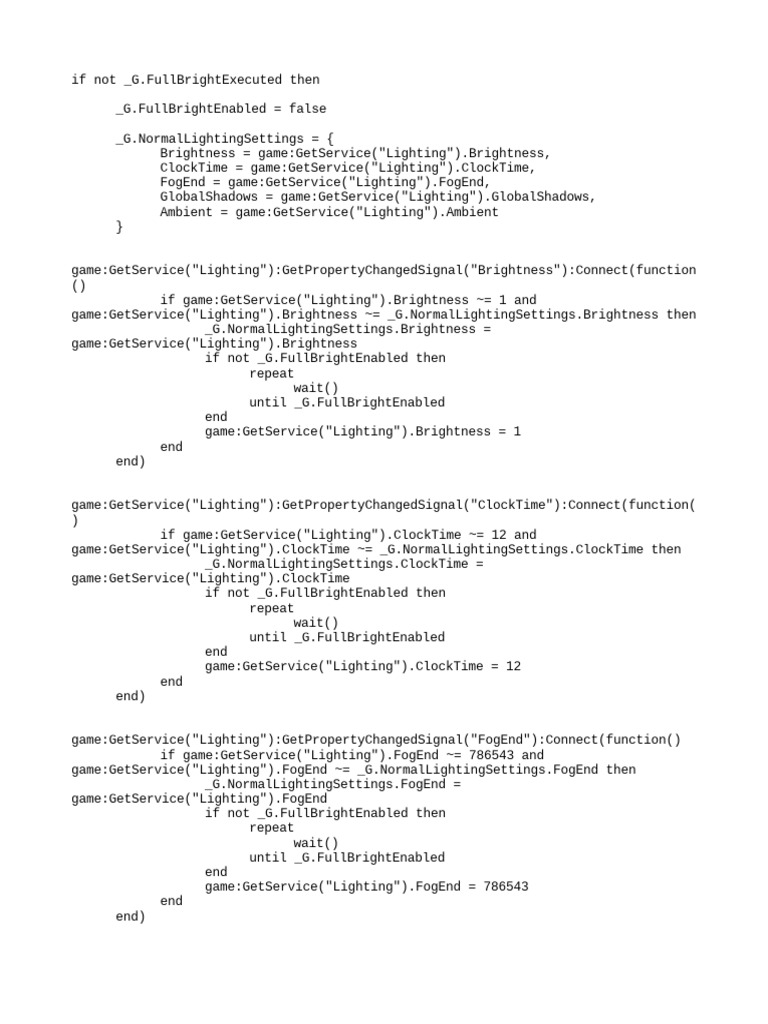
To change the overall brightness in your Roblox game, you typically access the `Lighting` service. You can use a script (either server-side or local) to modify the `game.Lighting.Brightness` property. Setting `game.Lighting.Brightness = 1` for example, will adjust the general ambient light level. This method ensures that the entire game world's illumination is uniformly altered.
Advanced Brightness Techniques
Can players adjust brightness themselves using a script?
Yes, players can definitely adjust brightness themselves using a `LocalScript` combined with a User Interface (UI) element. A `LocalScript` listens for player input, such as a slider change, and then modifies the `game.Lighting.Brightness` property on their client. This allows for personalized visual settings without affecting other players in the game, enhancing individual player comfort.
How do I create a dynamic day-night brightness effect?
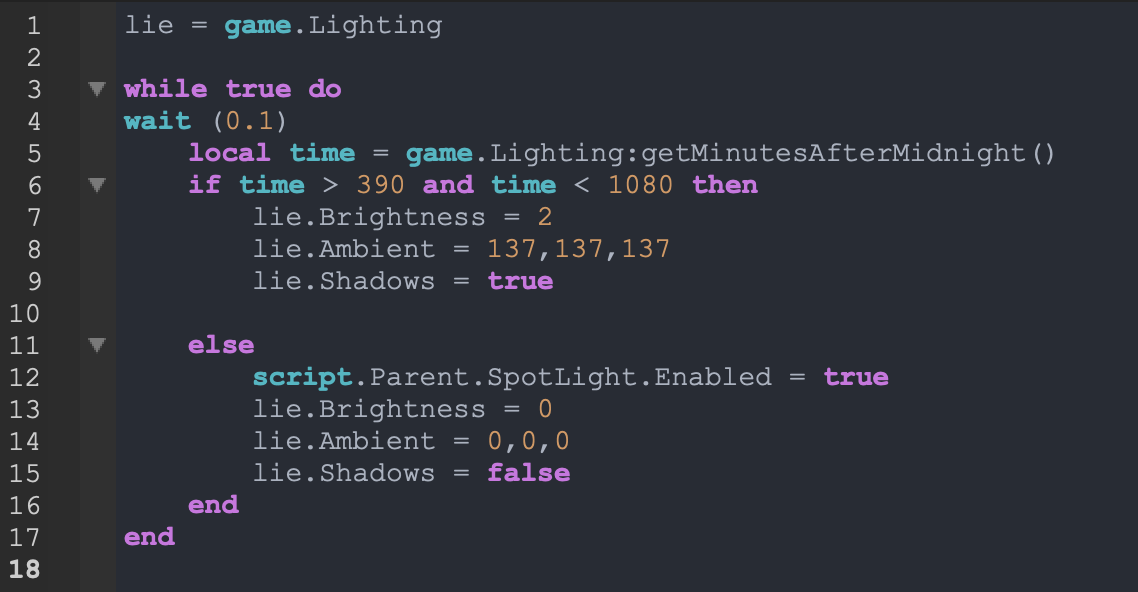
To create a dynamic day-night brightness effect, you'll need a script that continuously updates the `game.Lighting.ClockTime` property in a loop. As the `ClockTime` changes, you can also gradually adjust `game.Lighting.Brightness` and `game.Lighting.OutdoorAmbient` properties. This synchronizes the light intensity and color with the time of day, creating a realistic and immersive environmental cycle for all players.
Troubleshooting and Best Practices
Why isn't my brightness script working in Roblox?
If your brightness script isn't working, first check its type and location. Ensure `LocalScripts` are parented correctly (e.g., in StarterPlayerScripts or a UI element). For server `Scripts`, confirm they are in `ServerScriptService` or a similar accessible location. Always check the output window for any error messages, as these often pinpoint syntax or reference issues, guiding your debugging efforts effectively.
What's the difference between Brightness and ExposureCompensation in Roblox lighting?
`Brightness` in Roblox primarily controls the intensity of ambient light, making the overall scene lighter or darker without much effect on contrast. `ExposureCompensation`, on the other hand, adjusts the tone mapping of the scene, essentially increasing or decreasing the perceived exposure. While both affect how bright a scene appears, `ExposureCompensation` provides finer control over the dynamic range and contrast, making scenes feel more cinematic. They work together to create the desired visual fidelity.
Still have questions?
If you're still scratching your head about a specific brightness issue or want to explore more advanced techniques, don't hesitate to consult the official Roblox Developer Hub! It's an incredible resource with tons of examples. Many developers find `Lighting.Ambient` and `Lighting.GlobalShadows` are also key to perfecting the look.
Hey everyone! I often see people asking, "How can I make my Roblox game really pop visually, especially with brightness?" Honestly, getting the lighting right in your Roblox game can totally transform the player experience, making it feel way more professional and engaging. It's not just about making things brighter; it's about crafting an atmosphere. You've got options, from simple property tweaks to full-blown dynamic systems. But don't you worry, we're gonna break it all down so you can nail it.
You know, I've tried a bunch of things myself over the years, and it's super satisfying when you finally get that perfect look. Let's dive into what makes a brightness script tick and how you can use it effectively in your own projects. We're talking about making your worlds truly shine, literally.
Understanding Roblox Brightness Essentials
So, what exactly are we talking about when we mention "brightness script" in Roblox? Basically, it's any piece of code that manipulates the lighting properties within your game's environment. This could be changing the overall ambient light or adjusting how specific light sources behave. It’s important because good lighting guides players and sets the mood. It can make a simple build look extraordinary, or a complex one feel drab.
The Basics: Adjusting Environment Properties
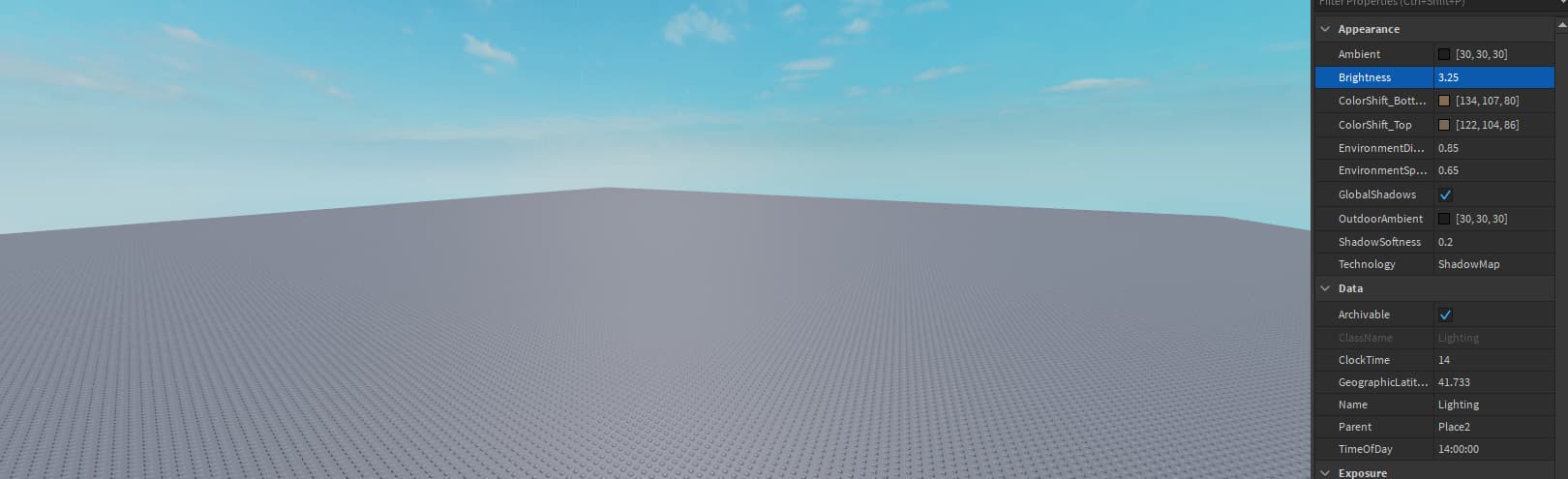
The most straightforward way to mess with brightness is through the 'Lighting' service in your game. This is where all the magic happens for global illumination settings. You can find properties like 'Brightness', 'OutdoorAmbient', and 'Ambient' right there. Changing these values instantly affects how light interacts with everything in your game. It's like having a master dimmer switch for your entire Roblox world. Understanding these fundamental properties is your first step.
- The 'Brightness' property controls the overall intensity of your game's ambient light. A higher value means a brighter, more exposed scene.
- 'OutdoorAmbient' determines the color and intensity of light coming from the sky. It greatly influences outdoor scenes.
- 'Ambient' handles the general background light, affecting areas not directly lit by specific light sources. Experimenting with these is key.
Local Scripts Versus Server Scripts for Brightness Control
Now, this is where it gets interesting, and frankly, a bit crucial. When you're thinking about changing brightness, you need to consider whether it's a global change for everyone or something a specific player controls. If you want everyone in the game to see the same lighting, then a regular 'Script' (server-side) in `ServerScriptService` is your go-to. This ensures consistency across all players' experiences. It broadcasts the change.
However, if you want players to have their own brightness preferences, like a slider in settings, you absolutely need a 'LocalScript'. These scripts run only on the player's client, meaning what they change only affects their personal view. It's fantastic for accessibility and customization. Using a 'LocalScript' gives players that personal touch.
Crafting Your Own Dynamic Brightness Scripts
Once you've got the basics down, you're probably itching to make things more dynamic. Static lighting is fine, but dynamic lighting breathes life into your game. We're talking about things like realistic day-night cycles or even sudden changes in brightness when a player enters a dark cave. It really pulls players into the experience.
Implementing Dynamic Day-Night Cycles
One of the coolest things you can do with brightness scripting is creating a dynamic day-night cycle. It's not just about changing the time of day; it's about making the environment respond to that change. You'd typically use a 'LocalScript' or a server 'Script' if you want it synced for everyone. This script would continually update `Lighting.ClockTime` and potentially adjust `Brightness` or `OutdoorAmbient` values to match the time. For instance, as the sun sets, you might gradually decrease brightness and shift ambient colors to a warmer, darker hue. It's all about smooth transitions. It makes your world feel alive, I think.
- Use a loop (`while true do wait(delay)`) to increment `Lighting.ClockTime`.
- Adjust `Lighting.Brightness` and `Lighting.OutdoorAmbient` based on the `ClockTime` value.
- Consider interpolating colors and brightness smoothly over time for a professional look.
Allowing Player-Controlled Brightness Settings
For a better user experience, letting players adjust their own brightness is a huge win. You'd typically set this up with a UI element, like a slider or a few buttons. When the player interacts with these, a 'LocalScript' would read their input and then directly modify their client's `Lighting.Brightness` property. This way, if someone's playing in a super bright room, they can bump up the game's brightness, or dim it if they're in the dark. It’s all about giving them control. I've personally found this feature to be a lifesaver in many games.
So, in essence, you're providing a personalized visual experience. It's a small detail, but it makes a big difference in player comfort and immersion. Does that make sense? What exactly are you trying to achieve with your brightness settings?
Roblox brightness script, game visual enhancement, dynamic lighting, script properties, local script implementation, troubleshooting, visual effects, player experience, environmental controls, game development optimization.
34


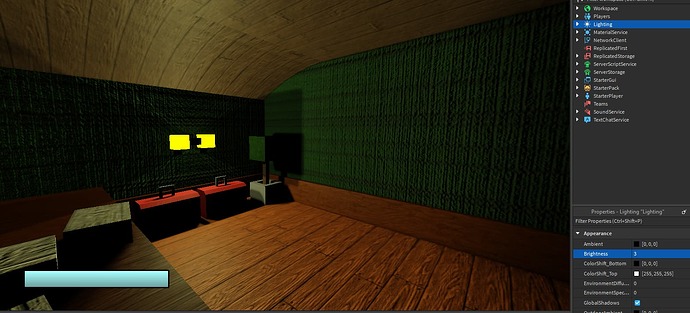
How To Set Brightness Scripting Support Developer . Contoh Roblox Scripts 2026 Panduan Lengkap Untuk Pemula Jurnal Ngawi 3789630207 . How To Increase Brightness In Roblox YouTube . How To Change Light Brightness Using A GUI Roblox Studio YouTube . Lighting Brightness Does Not Work Scripting Support Developer Forum 2 690x313


How To Increase Brightness In Roblox Full Tutorial YouTube . How To Increase Brightness In Roblox Complete Guide YouTube . How To Increase Brightness In Roblox Quick Tutorial YouTube . The Ultimate Guide To Scripting On Roblox 2026 Approved YouTube . How To Increase Brightness In Roblox Quick Tutorial YouTube

What Will Roblox Look Like In 2026 Blog Graphics 26 . Best 13 Blair Script Roblox ESP Brightness Walk Speed Artofit . How To Change Brightness On Roblox Full Guide YouTube . Roblox Full Brightness Script PDF Teaching Methods Materials 1. Help With My Lighting Script Scripting Support Developer Forum Roblox


Color Corrections With High Brightness Breaking Lighting Completely 2 1024x576 . Roblox 2026 YouTube Oar2 . How To Change Light Brightness With Music Loudness Scripting Support . Day Night Script Works But It Doesn T Lose Brightness And Darken . How To Make Lighting Better For Games Community Tutorials Developer


Roblox RTX Graphics Script Setup PDF 1. Roblox 2026 Updates And New Features Crawler. Roblox 2026 Logo REVEALED New Color New Look YouTube Maxres2 . How To Do Darkness Effect Scripting Support Developer Forum Roblox . Roblox Best Brookhaven Script 2024 Op Script Mobile PC YouTube


Roblox 2026 New Logo REVEAL First Look At The Future Shorts YouTube Hq2 . LOGO Roblox 2026 YouTube Maxres2 . Steal A Brainrot Roblox Script Instant Steal Auto Steal Speed Anti . 2026 Roblox YouTube Oar2 . How To Increase Brightness On Roblox PC Mobile Easy 2025 Fix


Lighting Brightness Or Darkness Problem Building Support . How To Change The Lighting Properties For Each Area In A Game For . Prepare For 2026 With Roblox Trends TikTok Img. How Can I Make The Brightness Parameter Decrease Scripting Support