The handheld gaming PC market is experiencing unprecedented price hikes in 2026, leaving many gamers wondering about the future. This comprehensive guide explores the multifaceted reasons behind the soaring costs, from persistent global chip shortages impacting critical components like advanced GPUs and high-speed memory, to escalating manufacturing expenses and increased consumer demand for portable powerhouses. We delve into how geopolitical factors and supply chain disruptions continue to inflate prices across the industry. Understand the ripple effect on both established brands and emerging manufacturers, forcing them to adjust pricing strategies. Discover what these trends mean for consumers looking to purchase or upgrade their portable gaming rigs in the coming year. This article provides vital insights into the current market landscape and offers a look ahead at potential shifts, helping you make informed decisions in this challenging environment.
Welcome, fellow gamers, to the ultimate living FAQ for the handheld gaming PC price hike in 2026! The portable PC gaming scene is red-hot, but so are the prices, leaving many of us with burning questions. This guide is your comprehensive resource, meticulously updated for the latest market conditions and industry insights. We’ve scoured forums, news, and "People Also Ask" sections to bring you honest answers, practical tips, and strategic advice. Whether you're a beginner just entering the portable PC world or a seasoned enthusiast seeking advanced intel, we've got you covered. Dive in to understand the 'why' behind the costs, discover smart buying tricks, and navigate this evolving landscape with confidence. Let’s demystify those price tags together!Understanding the 2026 Price Surge
Why have handheld gaming PC prices increased significantly in 2026?
Prices surged due to persistent global chip shortages, vastly increased consumer demand for portable power, rising manufacturing and shipping costs, and the integration of advanced, expensive components like custom APUs and OLED screens. Geopolitical factors also complicate the supply chain, adding to the overall cost.
Are global component shortages still impacting handheld PC manufacturing?
Yes, global component shortages, especially for advanced semiconductors, remain a critical factor. These shortages limit production capacity and drive up the cost of essential parts, directly influencing the final retail price of handheld gaming PCs in 2026.
What role does increased demand play in current pricing?
Increased consumer demand significantly contributes to higher prices. With more gamers seeking powerful portable devices, manufacturers can command higher prices due to limited supply, creating a seller's market for many popular models.
How do new technologies contribute to higher costs?
New technologies, such as high-refresh-rate OLED displays, custom-designed high-performance APUs, and advanced cooling systems, require substantial investment in R&D and utilize more expensive materials, directly inflating the devices' overall production costs.
Myth vs Reality: Is it true manufacturers are just being greedy?
Reality: While profit is always a factor, the primary drivers are genuine increases in production costs, raw material prices, logistical expenses, and intense competition for scarce high-tech components. Manufacturers face real economic pressures.
Navigating Buying Strategies in 2026
What tips are there for finding a good deal on a handheld gaming PC?
To find a good deal, monitor major sales events like Black Friday or Prime Day, consider reputable refurbished models, and compare prices across multiple retailers. Also, explore slightly older generations that still offer excellent performance for their updated price point.
Should I wait for prices to drop later in 2026 or 2027?
Waiting might offer new model releases with better performance per dollar, but significant price drops for current-gen devices are unlikely due to ongoing market pressures. If you need one now, consider current deals; otherwise, monitor future announcements.
Are budget-friendly handheld gaming PCs also experiencing price hikes?
Yes, even budget-friendly handheld gaming PCs are subject to the same underlying market forces, albeit often to a lesser degree. While their prices may not rise as dramatically, they are still impacted by component costs and supply chain issues.
What financing options are available for expensive handheld PCs?
Many retailers and manufacturers offer financing plans, including interest-free periods or monthly payment options. Always carefully review the terms and interest rates to ensure it's a financially sound decision for your budget before committing.
Impact on Performance & Future Builds
How does the price hike affect future handheld gaming PC "builds"?
The price hike means future builds or upgrades will likely involve higher component costs, especially for cutting-edge processors and GPUs. This might push enthusiasts to prioritize cost-effective components or extend the lifespan of existing devices.
Will higher prices lead to better performance optimization for games?
Not directly. While new, expensive hardware offers better raw performance, higher prices don't automatically guarantee better game optimization. Game developers focus on optimizing for a wide range of hardware, not just the latest, most costly devices.
Myth vs Reality: Are handheld PCs becoming too powerful for their price?
Reality: Handheld PCs are delivering incredible power for their size, but the price reflects the complexity of miniaturizing high-performance components and current market conditions, not necessarily excessive power for the cost.
Addressing Common Bugs & Fixes (Price-Related)
Are pricing errors or bugs common during online sales?
Pricing errors can occasionally occur during online sales due to system glitches or rapid updates. While rare, always double-check the final price before checkout. If you spot a clear error, contact customer service promptly.
What if I bought a handheld PC just before a price drop or sale?
Many retailers offer a price match guarantee or a return window. Check the store's policy; you might be able to get a refund for the difference or return and re-purchase the item if within the allowed timeframe.
Myth vs. Reality (Price Hike Edition)
Myth vs Reality: Are all handheld gaming PCs affected equally?
Reality: No, not equally. While all are influenced, high-end models using custom, scarce components often see larger percentage hikes. Budget options using more common parts might experience smaller, but still noticeable, increases.
Myth vs Reality: Will older handheld PC models also get more expensive?
Reality: Generally, older models become more affordable as new ones launch. However, residual effects of component costs and high demand can slow down depreciation or even cause slight price stability for highly sought-after older devices.
Myth vs Reality: Is the price hike a deliberate strategy to push consumers towards cloud gaming?
Reality: No direct evidence supports this. While cloud gaming offers an alternative, the price hikes are primarily driven by economic factors like supply chain issues and component costs, not a conspiracy to shift market preference.
Still have questions about the handheld gaming PC price hike in 2026? Don't hesitate to dive into our related guides: 'Best Handheld Gaming PCs Under 500 Dollars 2026,' 'Optimizing Your Handheld PC for Max FPS,' or 'Future of Portable Gaming: What's Next?'. Your quest for knowledge is just beginning!Are you staring at your screen wondering why your dream handheld gaming PC suddenly costs an arm and a leg? You are definitely not alone. The buzz around soaring prices for these amazing portable powerhouses has reached a fever pitch in 2026. Gamers everywhere are asking, 'What exactly is going on with handheld PC pricing?' It seems like every new model arrives with a steeper tag, leaving many feeling quite frustrated and uncertain about future purchases. We are here to break down the true reasons behind these significant financial shifts.
The Unseen Forces Behind the Handheld Price Surge
The global tech landscape in 2026 faces numerous challenges directly impacting consumer electronics, including our beloved handheld gaming PCs. Persistent semiconductor shortages remain a primary culprit, limiting the availability of crucial components. These supply constraints naturally drive up manufacturing costs for companies. Moreover, a dramatic surge in demand for portable, high-performance gaming devices adds immense pressure to an already strained market. Everyone wants to game on the go, creating intense competition for limited stock and influencing pricing strategies.
Component Costs and Supply Chain Shocks
Advanced processors, specialized GPUs, and high-speed memory modules are the heart of any powerful handheld gaming PC. The cost of these vital components has unfortunately continued its upward trajectory into 2026. Geopolitical tensions introduce additional complexities, affecting global shipping routes and raw material procurement. These factors collectively contribute to a longer and more expensive production cycle for manufacturers. Ultimately, these increased expenses are often passed directly onto the end consumer through higher retail prices.
Innovation Comes at a Premium
Handheld gaming PCs are constantly evolving, integrating cutting-edge technologies to enhance the user experience significantly. Newer models boast impressive features like stunning OLED displays with higher refresh rates, advanced haptic feedback systems, and more efficient cooling solutions. Incorporating these premium features requires substantial research, development, and more expensive materials. This continuous pursuit of innovation, while delivering incredible performance, undeniably adds to the overall manufacturing cost. Such advancements push the boundaries of what is possible, but they do come with a price.
The Currency Rollercoaster and Regional Pricing
Fluctuations in global currency exchange rates play a surprisingly significant role in determining final retail prices across different regions. A strong US dollar can make imported components cheaper for US manufacturers, but weaken the purchasing power of consumers in other countries. Conversely, a weaker dollar can inflate import costs. Companies also adjust pricing based on regional taxes, tariffs, and local market competition. Understanding these global economic factors helps explain why prices vary so much worldwide for the same device.
Beginner / Core Concepts
1. Q: Why are handheld gaming PCs so much more expensive now in 2026 compared to a few years ago?
A: I get why this confuses so many people, it feels like everything is just getting pricier, right? The main reason for the significant jump in handheld gaming PC costs by 2026 boils down to a perfect storm of factors. You're looking at persistent global semiconductor shortages, which means essential chips are harder to get and cost more for manufacturers. Then there's the skyrocketing demand; everyone wants a powerful portable device. Add in rising material costs, increased shipping expenses, and the integration of cutting-edge tech like custom APUs and vibrant OLED screens. It's not just one thing; it's a whole cascade. Think of it like a really popular, high-tech concert ticket – lots of demand, limited supply, and premium features mean a higher price. You've got this!
2. Q: Are component shortages still a big problem for handheld gaming PCs in 2026?
A: Absolutely, this one used to trip me up too, thinking we'd be past it by now! Unfortunately, yes, component shortages are still a very real and significant issue impacting handheld gaming PCs in 2026. While some aspects have improved slightly, the demand for advanced chips, especially those custom-designed for these portable powerhouses (like specialized APUs), continues to outstrip supply. Manufacturing facilities are running at capacity, but global logistics, raw material availability, and geopolitical tensions all contribute to bottlenecks. This means companies are paying a premium for parts, which directly influences the final price you see on the shelf. It’s a complex puzzle, but understanding the supply chain helps demystify the price tag. Keep digging; you're on the right track!
3. Q: Will handheld gaming PC prices ever come back down to what they were before?
A: That's a great question, and it's something every gamer is hoping for, myself included! Realistically, a full return to pre-2020 pricing levels for handheld gaming PCs is unlikely, especially for comparable performance tiers. The industry has seen fundamental shifts, including permanently elevated manufacturing costs and a re-evaluated value perception of portable gaming. However, we might see more competitive pricing in certain segments or for older generations as new models emerge and production efficiencies improve. It's more about incremental adjustments and market segmentation than a drastic drop. Don't lose hope though; innovation always finds a way to deliver value. Try this tomorrow and let me know how it goes!
4. Q: What is a "premium" component in a handheld gaming PC that adds to its cost?
A: Ah, the "premium" label – it often signals something special that contributes to the higher price, right? In handheld gaming PCs, "premium" components typically include a few key things. Think about custom-designed, high-performance APUs (Accelerated Processing Units) like those developed specifically for current-gen devices, offering powerful CPU and GPU capabilities in one chip. Then there are the displays: vibrant OLED screens with high refresh rates and excellent color accuracy truly elevate the visual experience. Fast NVMe SSD storage and generous amounts of LPDDR5X RAM also fall into this category, ensuring quick loading times and smooth multitasking. These aren't just off-the-shelf parts; they're optimized for portable gaming, and that specialized engineering definitely comes at a higher cost. You've got this!
Intermediate / Practical & Production
5. Q: How do global events, like geopolitical tensions, affect handheld gaming PC prices in 2026?
A: This is a really insightful question, and it's something that often gets overlooked in the broader conversation about pricing! Global events, especially geopolitical tensions, significantly ripple through the supply chain for handheld gaming PCs in 2026. Think about it: disruptions in key manufacturing regions can lead to production delays or even factory shutdowns. Trade disputes might result in increased tariffs on imported components, making them more expensive for manufacturers. Shipping routes can become less reliable or costlier due to various international incidents. All these factors create uncertainty and inflate the base cost of producing these devices. It's like a complex game of dominoes where one fall impacts everything down the line. It's a tough challenge, but understanding it helps us grasp the bigger picture. Keep up the great thinking!
6. Q: What role does increased consumer demand play in the 2026 price hike?
A: That's a classic economics question, and it plays a huge role in the 2026 price hikes! When something becomes incredibly popular, and everyone wants it – like powerful handheld gaming PCs – the demand naturally surges. If the supply can't keep up with that sudden jump in interest, prices almost inevitably go up. Manufacturers see this high demand and adjust their pricing to reflect the market's willingness to pay. It also encourages retailers to keep prices firm, as they know devices will sell quickly. This increased demand also puts more pressure on the component supply chain, exacerbating existing shortages. It's a cycle, really: high demand fuels higher prices, especially when supply is constrained. You're doing great connecting these dots!
7. Q: Are specific brands or models more affected by the price hikes than others?
A: That's a smart observation, and yes, it's not a perfectly even playing field when it comes to price hikes! Generally, models that rely heavily on the absolute latest, bleeding-edge components or those with highly customized parts tend to see the most significant price increases. This is because they're at the forefront of the supply chain challenges. More established brands with larger economies of scale *might* be able to absorb some costs better, but they're not immune. Conversely, some smaller brands or budget-focused devices might be less affected if they use slightly older, more readily available components. However, even these typically see some inflationary pressure. It really depends on their specific bill of materials and supply agreements. Keep an eye on the specs; they tell a story!
8. Q: How does currency fluctuation influence international pricing for these devices?
A: This is a fascinating point, and it's often a source of frustration for international buyers! Currency fluctuation directly impacts the final price consumers pay in different regions. For example, if a handheld PC is manufactured with components priced in US dollars, but then sold in Europe, a weakening Euro against the dollar means the device becomes more expensive for European consumers, even if the base dollar price hasn't changed. Companies constantly monitor these exchange rates and adjust regional pricing to maintain profitability. It also affects the cost of importing and exporting, adding another layer of complexity. So, your local currency's strength really does matter when you're eyeing that new portable rig. Amazing question!
9. Q: What strategies can consumers use to mitigate the impact of higher prices in 2026?
A: Okay, this is where the rubber meets the road – how do you get your hands on one without breaking the bank in 2026? There are definitely strategies! First, consider slightly older generations; they often offer fantastic value and still run most modern games beautifully. Second, look for refurbished or open-box deals from reputable retailers; sometimes you can save a significant chunk. Third, be patient and track sales events like Black Friday, Prime Day, or end-of-year clearances. Fourth, investigate financing options if available, but always read the terms carefully. Lastly, prioritize your needs: do you *really* need the absolute top-tier model, or would a mid-range option suffice? Every penny counts, so shop smart! You've got this, gamer!
10. Q: Is it better to buy a handheld gaming PC now or wait until later in 2026, or even 2027?
A: That's the million-dollar question, isn't it – the classic "buy now or wait" dilemma! My honest take for 2026 is that waiting indefinitely might not lead to significant price drops for *current-gen* hardware, as the underlying cost pressures aren't dissipating quickly. However, waiting for *new model announcements* or holiday sales could yield better value or newer tech for a similar price point. If you need one now for specific games or travel, and you find a decent deal, go for it. If you're not in a rush and want to see what 2027 brings in terms of next-gen hardware, then holding off could make sense. Just be aware that new tech usually comes with its own premium. It's a personal call, but informed patience is key! Try researching upcoming releases and their rumored specs to help decide.
Advanced / Research & Frontier 2026
11. Q: How are manufacturers innovating to potentially lower production costs for future models?
A: This is where the real engineering magic happens! Manufacturers are absolutely relentless in trying to optimize costs for future handheld gaming PCs. One major area is supply chain diversification; they're working to secure components from multiple regions and suppliers to reduce reliance on single sources and mitigate geopolitical risks. There's also a big push in optimizing chip architecture for efficiency, designing custom APUs that balance performance with power consumption and manufacturing yield. Furthermore, advances in manufacturing processes (like new lithography techniques) could eventually lead to cheaper, more powerful chips. They're also exploring modular designs to simplify assembly and repairs, and looking into more sustainable, cost-effective materials. It's a continuous, complex balancing act, but innovation is definitely the engine driving these efforts. You're thinking like a true pro!
12. Q: What impact could new battery technology have on handheld gaming PC costs and features?
A: That's a forward-thinking question, and new battery tech could be a game-changer! Right now, advanced batteries like solid-state or improved lithium-ion cells could potentially lower costs in the long run by offering higher energy density at a smaller size. This means either longer battery life without increasing the device's footprint or allowing for smaller, lighter devices with comparable longevity. A more efficient battery could also reduce the need for aggressive cooling, simplifying design and potentially cutting costs there too. Initially, cutting-edge battery tech might add a premium, but as it scales, it generally becomes more affordable. It's a critical area for innovation, promising exciting improvements in both user experience and potentially, eventually, the bill of materials. Keep exploring those future tech possibilities!
13. Q: Are there any emerging technologies in 2026 that could disrupt the current price trends?
A: Okay, now we're talking frontier tech – I love this kind of thinking! In 2026, while nothing is a guaranteed "disruptor" yet, several emerging technologies could *influence* price trends for handheld gaming PCs. For instance, advancements in localized AI co-processors for power management and upscaling could allow for slightly less powerful, and thus cheaper, main APUs while maintaining high performance. Mini-LED or even micro-LED display tech, if it becomes more cost-effective to produce at scale, could offer OLED-like quality for less. Also, advancements in manufacturing automation could drive down labor costs. The development of more robust, open-source operating systems for handhelds might also reduce software licensing fees for manufacturers. It's a gradual evolution, but these innovations are definitely ones to watch. You're spotting the next big waves!
14. Q: How might increased competition from new entrants affect pricing in the handheld gaming PC market?
A: This is classic market dynamics, and it's incredibly relevant to our discussion! If more major players or innovative startups enter the handheld gaming PC space, the increased competition generally leads to more competitive pricing. New entrants might try to capture market share by offering compelling devices at more aggressive price points. This forces established brands to either innovate more, optimize their costs, or adjust their own pricing to remain attractive to consumers. It's a win-win for us gamers! While 2026 has seen some consolidation, a strong influx of new, well-funded competitors could absolutely shake up the current pricing landscape. It’s always a good sign when the market gets crowded with quality options. You're thinking strategically!
15. Q: What are the long-term forecasts for handheld gaming PC affordability beyond 2026?
A: This is looking ahead, and it's a critical question for long-term planning! Beyond 2026, most industry analysts predict a gradual stabilization in handheld gaming PC prices, but likely not a return to historical lows. Affordability will improve as manufacturing processes mature, chip yields increase, and newer, more efficient generations of components become standard. We'll likely see a wider stratification of products, with entry-level devices becoming more accessible while ultra-premium models continue to push the price ceiling. Technological advancements like AI-driven upscaling and improved battery tech will offer better value per dollar. The key is consistent, steady progress in supply chain robustness and manufacturing efficiency. Don't expect dramatic drops, but rather a more favorable performance-to-cost ratio over time. Your vision is sharp!
Quick 2026 Human-Friendly Cheat-Sheet for This Topic
- Chip Shortages are Still Real: Don't expect component availability to suddenly normalize; it's a long-term challenge impacting prices.
- Demand is Soaring: Everyone wants a portable PC, and that high demand gives manufacturers less incentive to drop prices drastically.
- Innovation Costs Money: Those amazing new screens and faster chips are cool, but they definitely add to the device's price tag.
- Shop Smart: Look for sales, consider refurbished options, and older models can offer great value.
- Patience Pays (Sometimes): Waiting for a new generation might give you better tech for your money, but don't hold your breath for huge price drops on current models.
- Global Factors Matter: Currency rates and international tensions subtly influence what you pay.
Understanding these intricate factors helps us navigate the current landscape of handheld gaming PC prices. While the sticker shock can be real, knowing the 'why' empowers you to make informed decisions about your next portable gaming investment. Keep an eye on market trends, component availability, and emerging technologies. The world of handheld gaming is dynamic, promising excitement despite its financial challenges. We hope this deep dive clarifies the situation for you.
Global chip shortages continue to drive up component costs for handheld gaming PCs in 2026. Increased consumer demand for powerful portable gaming solutions outstrips current supply capabilities. Manufacturing expenses, including labor and logistics, have seen a significant rise across the tech sector. New advanced technologies, like custom AMD APUs and high-refresh-rate OLED screens, add to the overall device cost. Geopolitical tensions and supply chain vulnerabilities exacerbate existing market pressures. Price adjustments are affecting both premium and budget-friendly handheld gaming PC models. Consumers face higher entry barriers into the portable PC gaming ecosystem.
35

GPD WIN 4 2025 Vs GPD WIN Mini 2025 Which Is Best For You GPD PC GPD WIN 4 2025 LISTING GENERIC 01 . What The Future Of Handhelds And Mini Gaming PC S Will Be CES 2026 . Switch 2 Has A 120 Hz Screen With Response Times That Are Too Slow For . Intel S Panther Lake Could Power New Gaming Handhelds In 2026 Windows . Intel S Panther Lake Could Power New Gaming Handhelds In 2026 Windows 840 80
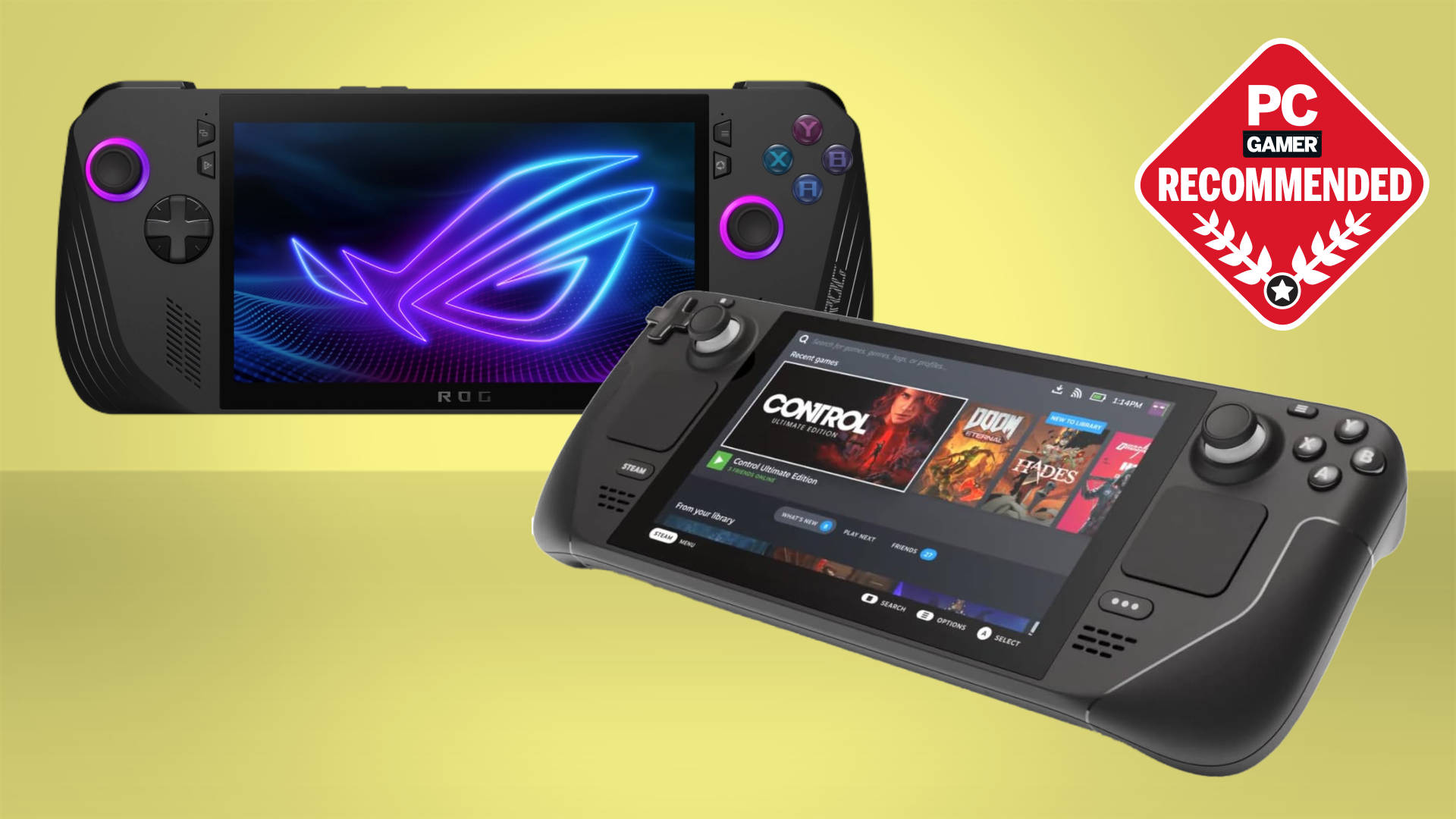


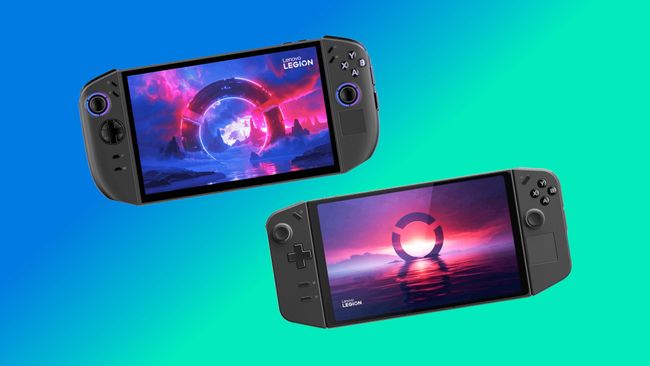
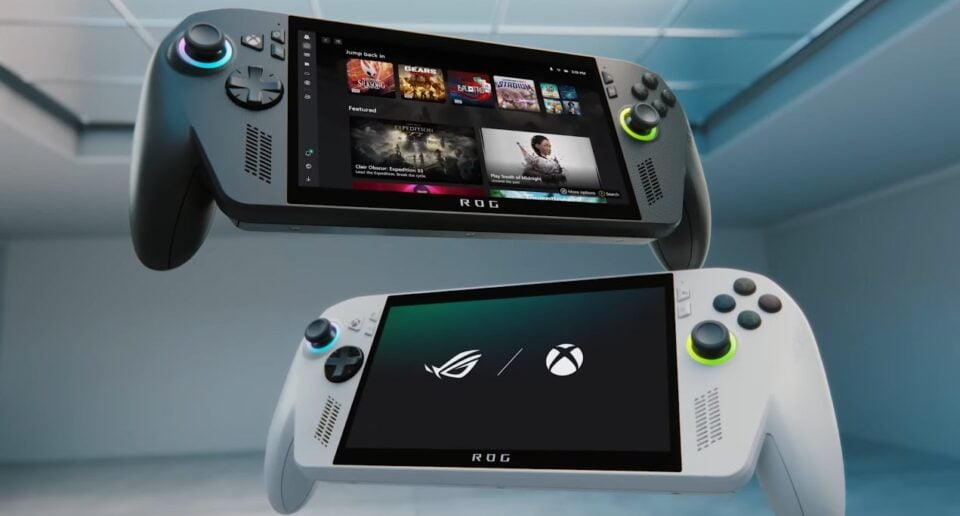
Handheld Gaming PCs How S It Goin For Ya Video Games Open RPGnet . Best PC Gaming Handhelds In 2026 A Complete Buyer S Guide For Every Lenovo Legion Go2 Review Biggest. Ultimate Guide To Choosing The Best Handheld Gaming PC In 2026 NoobFeed Msi A8 . Intel S Panther Lake Could Power New Gaming Handhelds In 2026 Windows 650 80 . AI Is Fueling The First Gaming Price Hike Of 2026 960x516
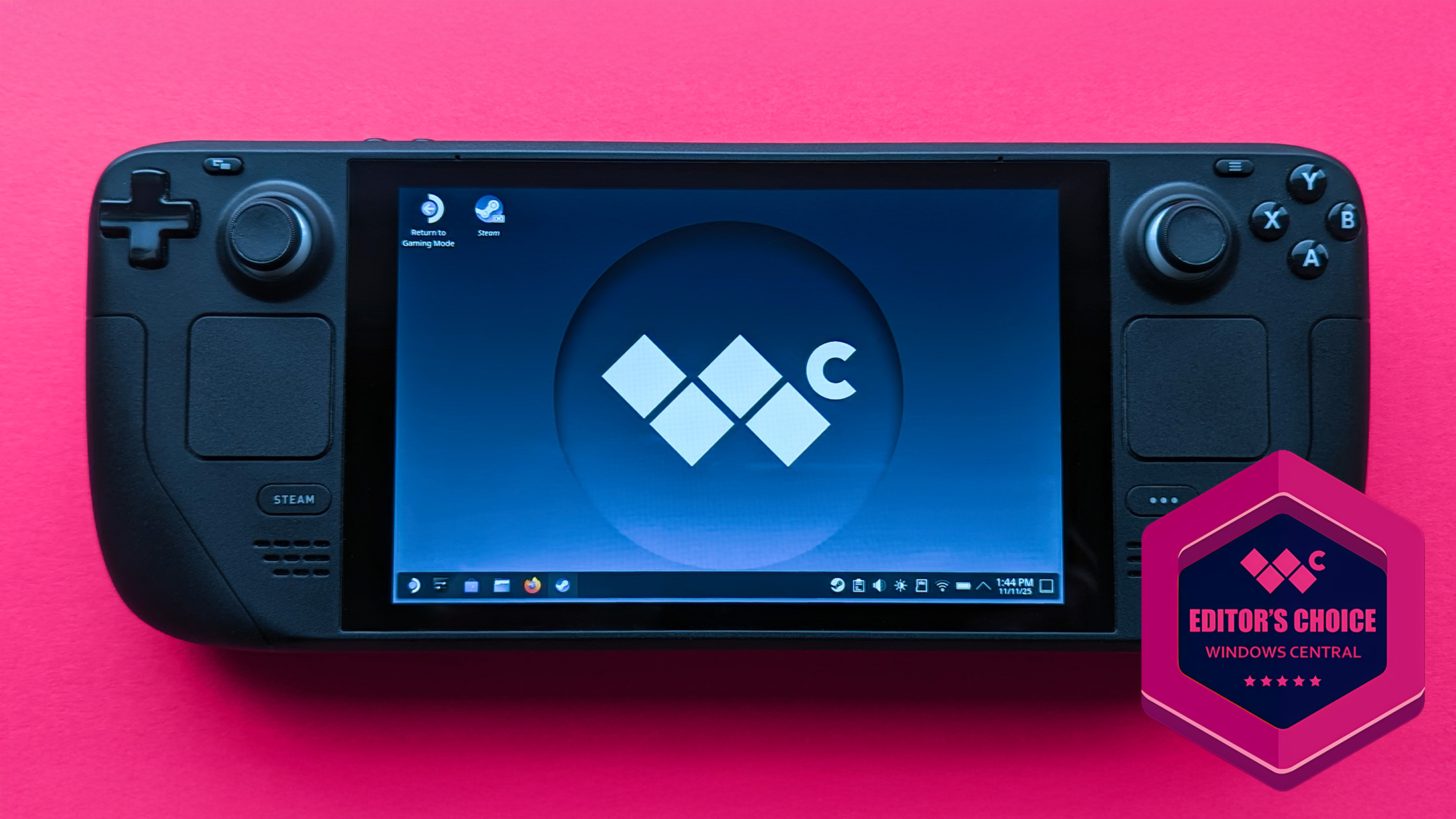
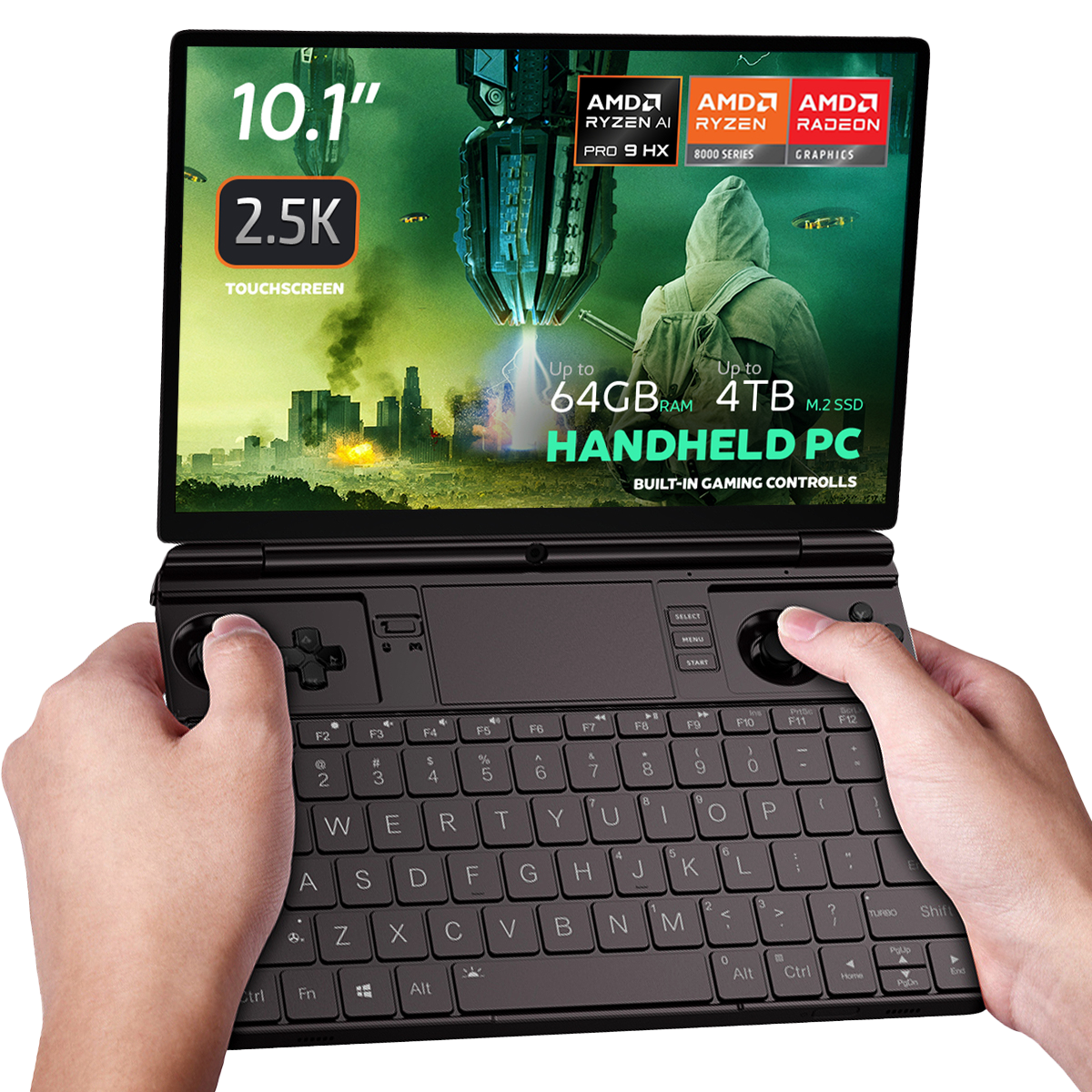

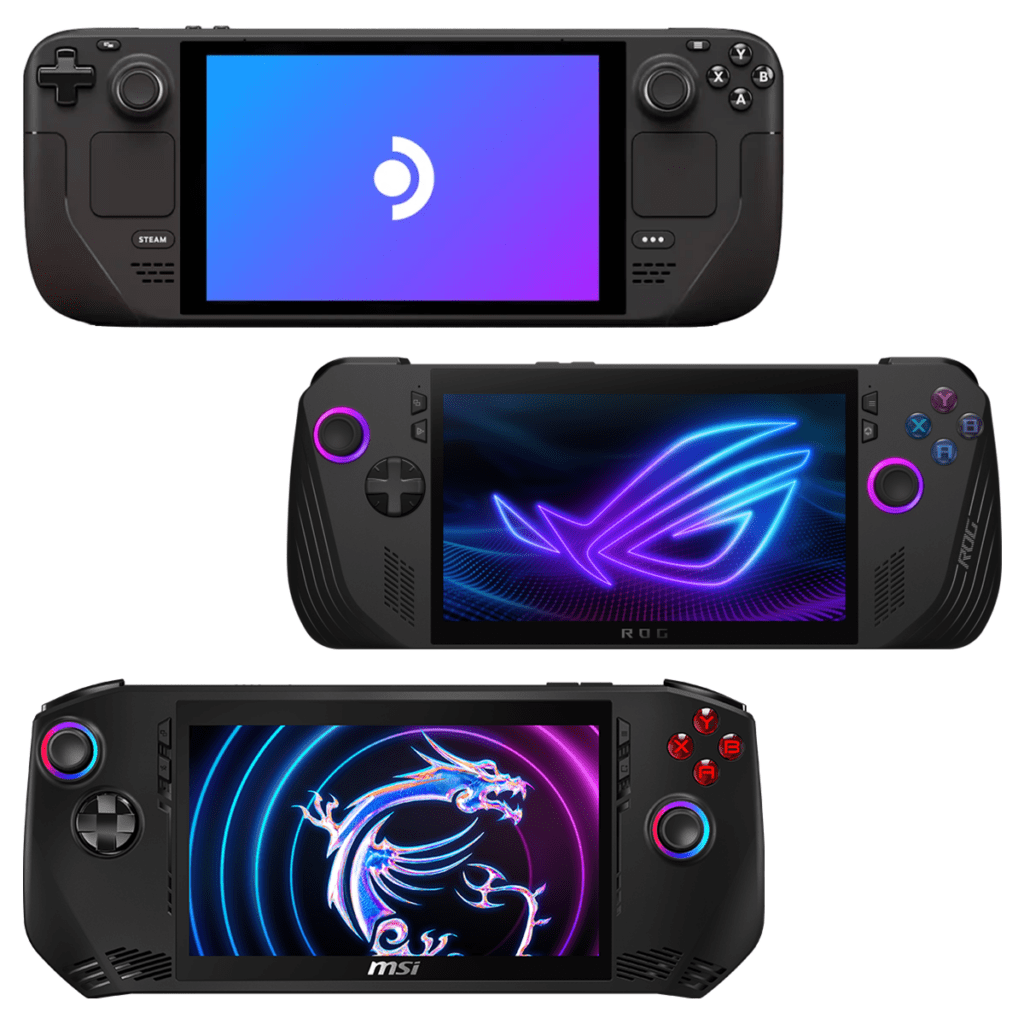
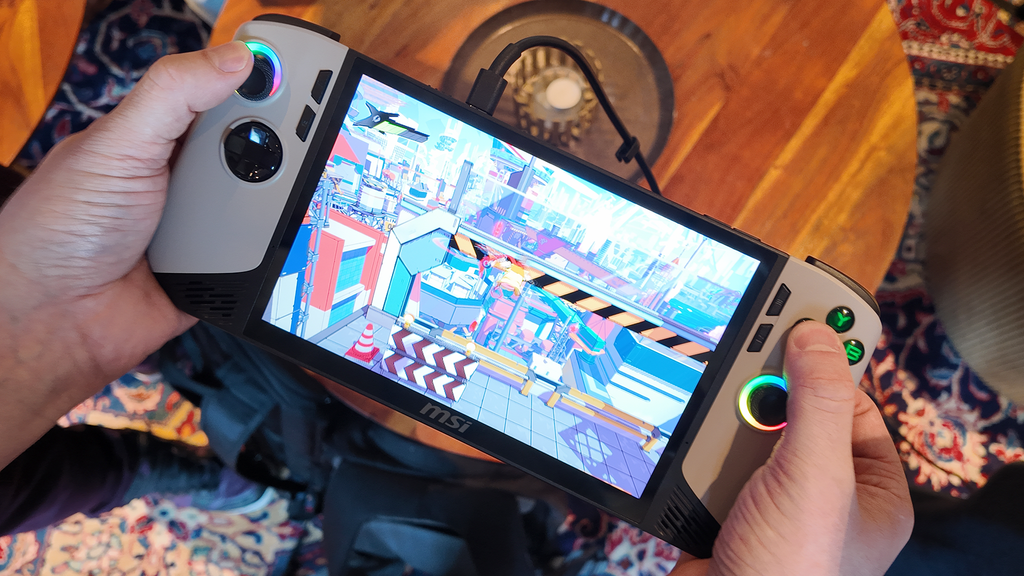
Xbox Cloud Gaming Just Got Its Biggest Upgrade Yet But Will Anyone . 7 Handheld Gaming PC Terbaru 2025 Spesifikasi Harga GPD WIN MAX 2 2025 INFOGRAPHIC NEW GENERIC 01 . Best Gaming Mouse Pad 2025 Hard Soft And RGB Mats Tested Gamers Best Handheld Gaming Pc . Compare Handheld Gaming PCs Compare Handhald Gaming Pc S Th 1024x1024 . Nintendo Switch 2 Nah I Ll Take A Next Gen Handheld Gaming PC Thanks 1024 80
.jpg)
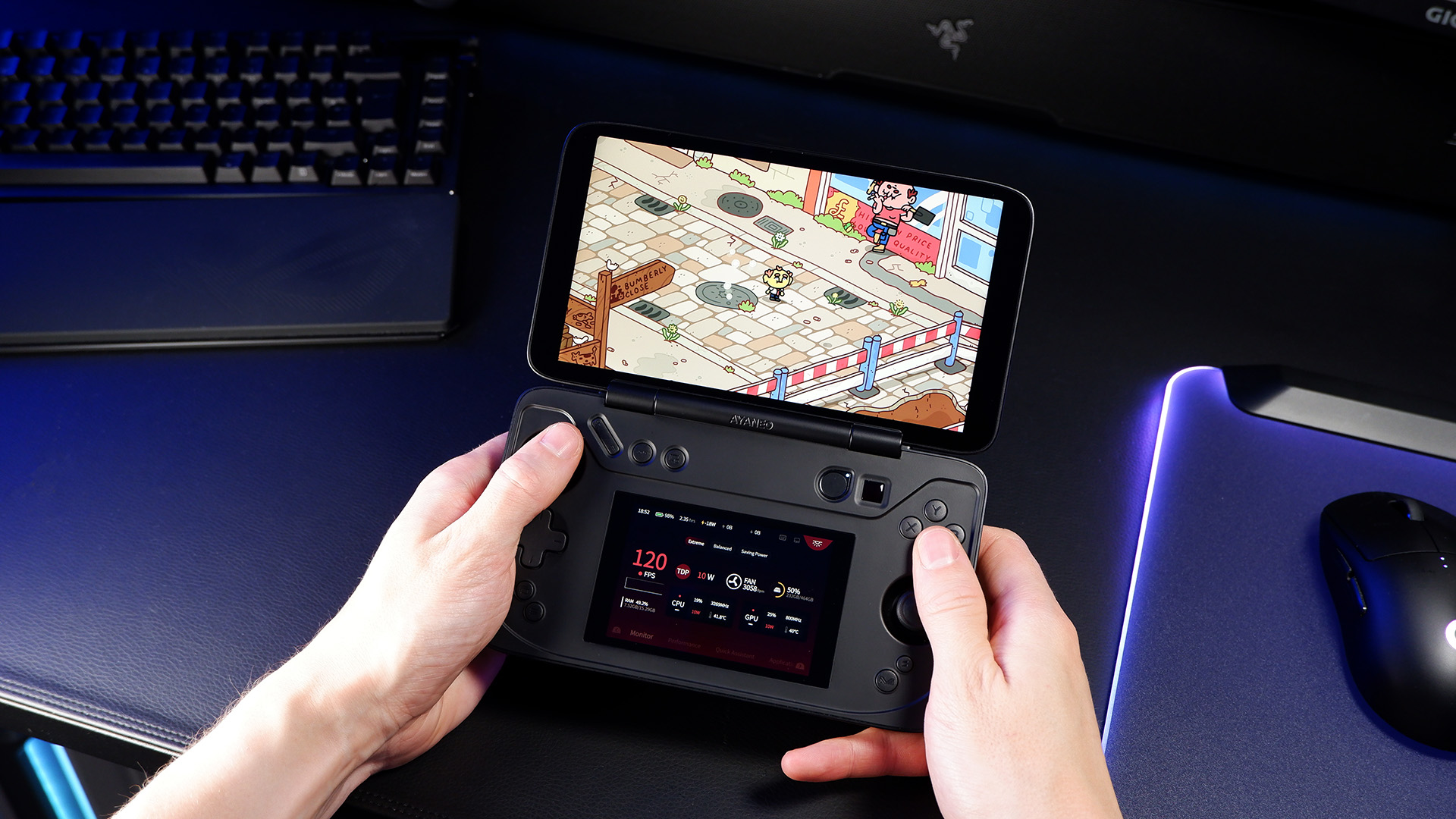

Ultimate Guide To Choosing The Best Handheld Gaming PC In 2026 NoobFeed Rog Xbox Ally (1) . I M Searching For Black Friday Handheld Gaming PC Deals As The Resident . 10 Best Handheld Gaming PCs March 2026 Buyer S Guide Models Tested B0DQ8Y8Q4W Customer 2 . The 10 Best Handheld Gaming PCs 2026 Gaming Gorilla The Best Handheld Gaming PCs . CES 2024 MSI Claw Is A New Handheld Gaming PC Rival Mashable Images 1.fill.size


Steam Deck OLED Falls Out Of Stock In US Canada Due To Supply Chain . Most Powerful Handheld Gaming PC 2026 Electro Review Zone SL160 . Xbox Ally Handheld Gaming PC Launches Worldwide Dutchiee TV Xbox Ally Handheld Gaming PC Launches Worldwide 2 . Handheld Gaming Pc Price In Pakistan At Sara Sugerman Blog 1200 80 . BEST HANDHELD GAMING CONSOLE IN INDIA 2025 Technical

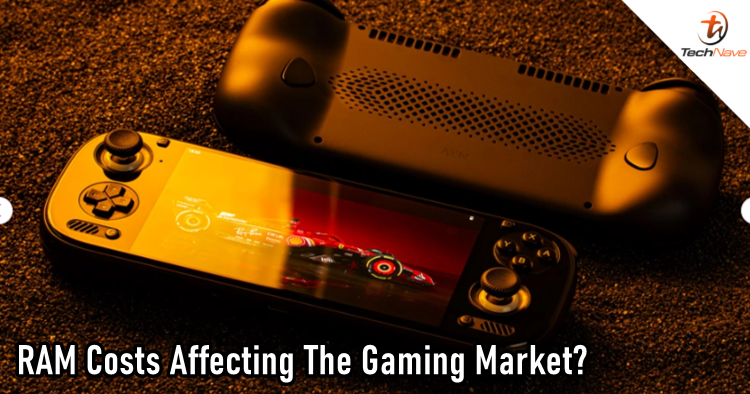

What Is A Good Handheld Game System Ultimate Guide My Blog BEST HANDHELD GAMING CONSOLES 2048px 09702 2x1 1 . Xbox ROG Ally Prices Are Official And Now I Want One More Than Ever Best Handhelds 2025 Lead . RAM Price Hike May Have Began Hitting The Gaming Handheld Market TechNave . Laptops GPD PC Gaming Handhelds Mini Laptops GPD WIN MINI 2024 LISTING NEWEST DONE 01 . Alienware Laptops Finally Go OLED And Will Get MSI Stealth 16 AI CES 2026 Lead
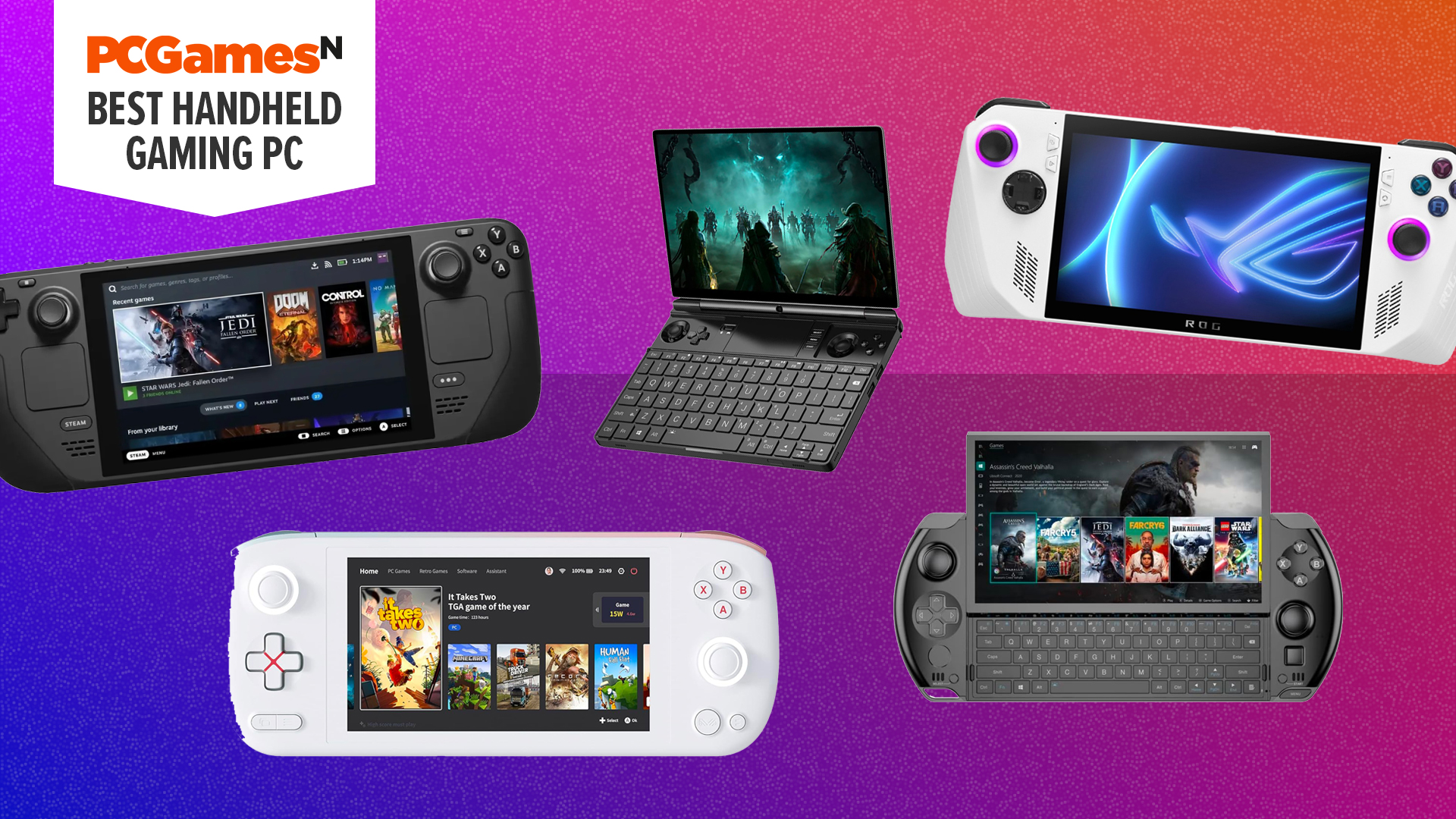
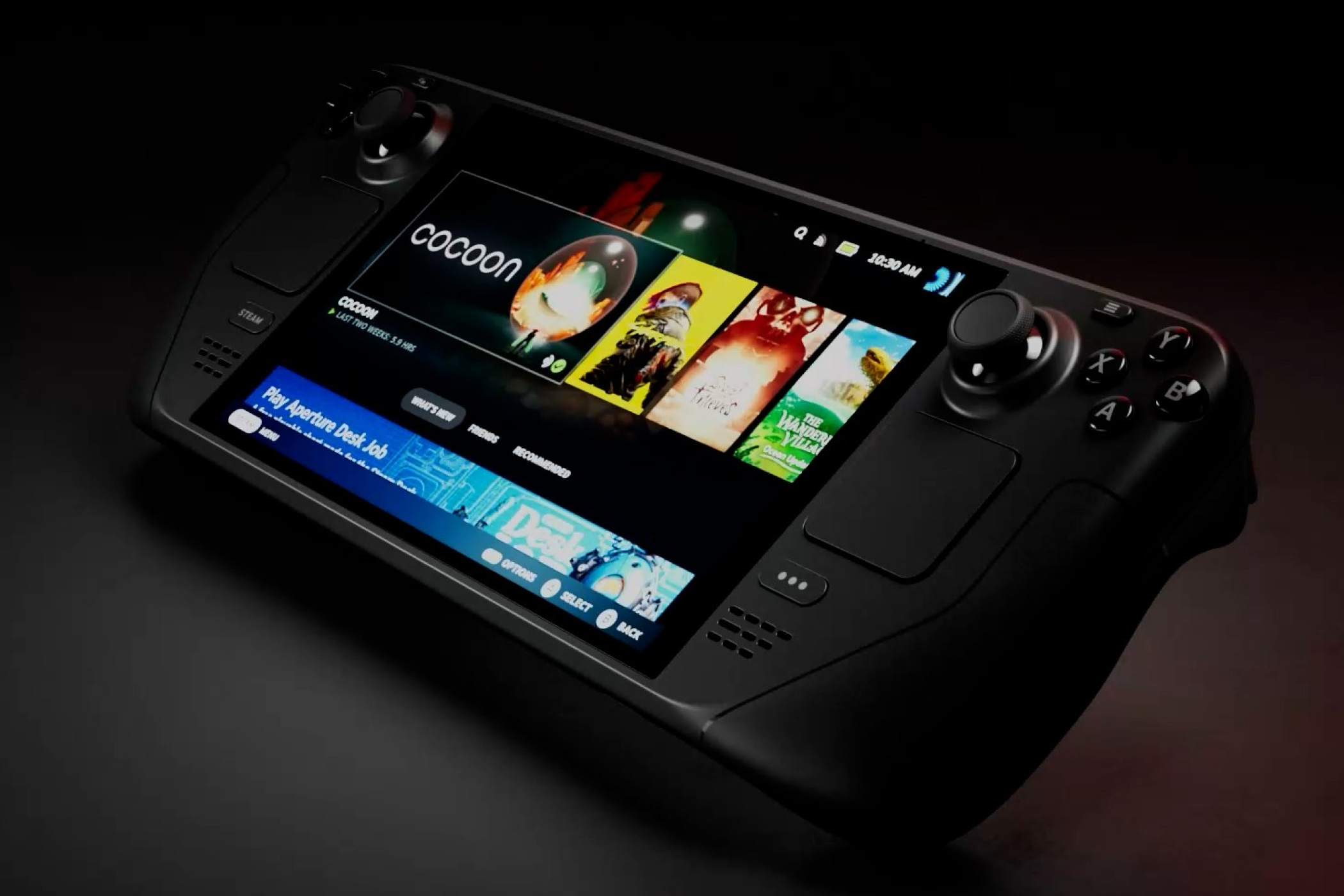
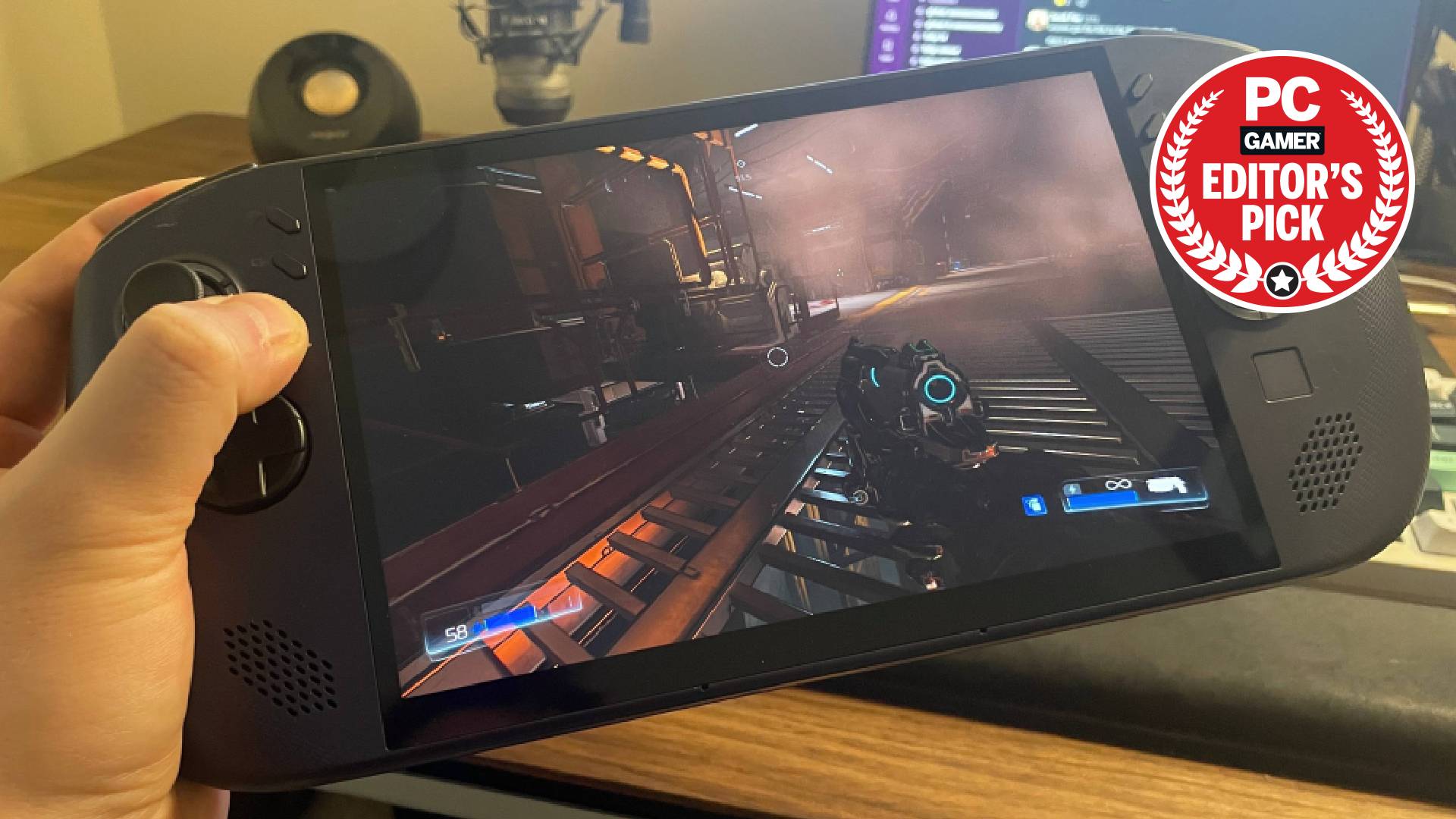

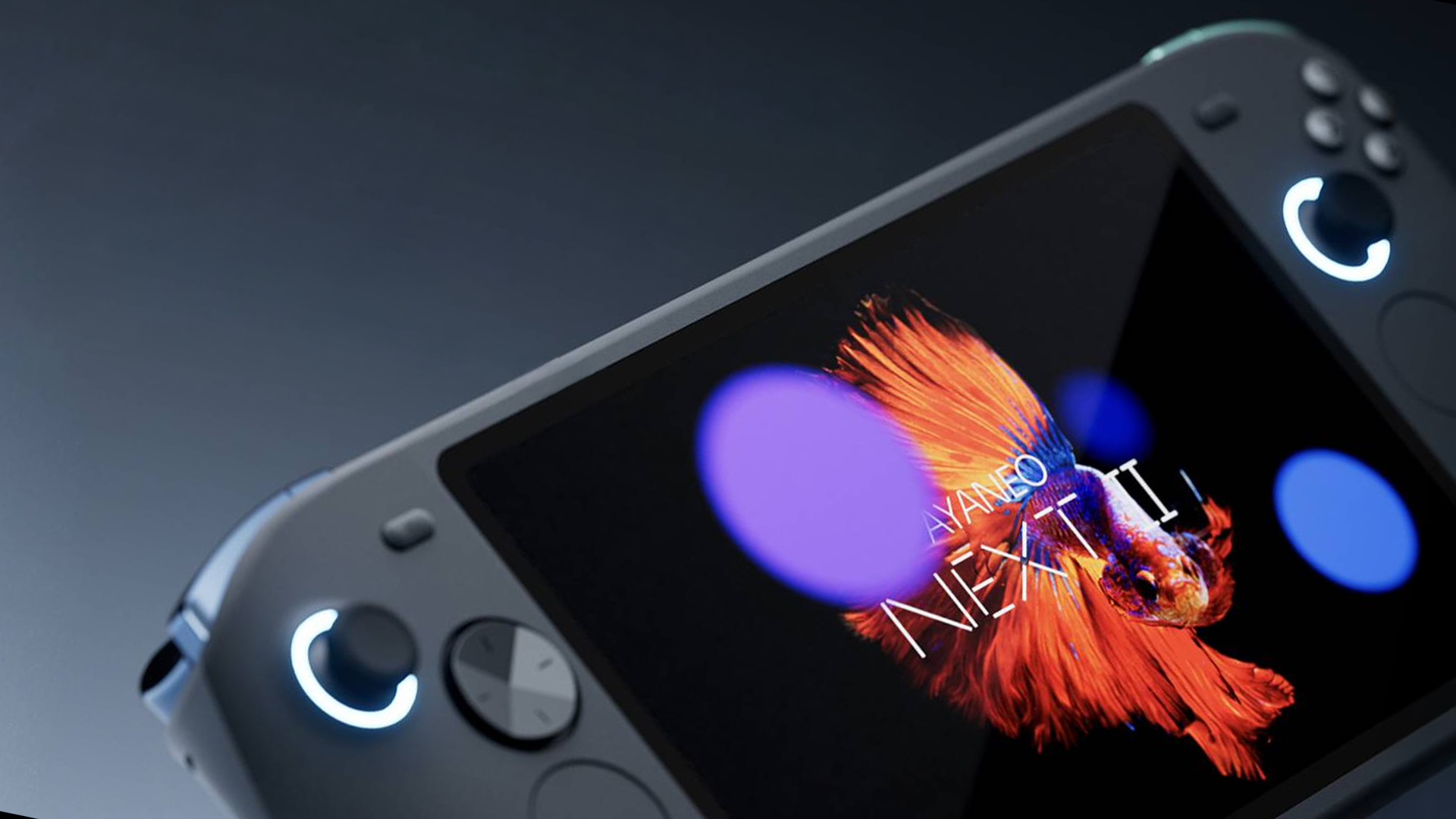
Best Handheld Gaming PC In 2025 Metowy Com Best Handheld Gaming Pc . The Best Handheld Gaming PCs Of 2024 Steam Deck Oled Upgrades . Handheld Pc MSI Claw Handheld PC Releases This Week At Newegg . The Best Handheld Gaming PCs Our Top Reviewed Picks For 2026 Handheld 10 15 . Intel S Panther Lake Could Power New Gaming Handhelds In 2026 Windows