The landscape of gaming PC ownership in 2026 is far more diverse than ever before. This comprehensive guide explores who buys gaming pc today, moving beyond the stereotype to reveal a broad demographic including busy professionals, parents, and dedicated enthusiasts who integrate gaming into their full lives. We delve into their motivations, from seeking relaxation and social connection to competitive play and creative pursuits. Understanding who buys gaming pc helps both potential buyers find their ideal setup and the industry cater to evolving needs. We cover how individuals balance gaming with jobs and families, prioritize value, and stay current without falling for hype, addressing common pain points like performance issues and budget upgrades. Join us as we uncover the true face of the modern gaming PC owner.
Q: Who are the typical gaming PC buyers today?
A: Today's typical gaming PC buyers are incredibly diverse, moving beyond younger enthusiasts. A significant portion are adults, many in their 30s and 40s, balancing careers and families. This group seeks high performance for both gaming and productivity, valuing reliability and an immersive escape. We also see dedicated competitive players, content creators, and casual gamers looking for superior experiences. Recent US data shows 87% of gamers play regularly, often for 10+ hours a week, indicating a deep investment across various age groups.
Q: Why do people choose a gaming PC over a console?
A: Gamers choose PCs for superior graphical fidelity, higher frame rates, and extensive customization options. PCs offer access to a vast and diverse game library, including exclusive titles, indie games, and modding communities. For many, a gaming PC also serves as a powerful multi-purpose workstation for tasks beyond gaming, such as video editing or graphic design. The flexibility and upgrade potential often make it a more appealing long-term investment for serious enthusiasts.
Q: What makes someone choose a gaming PC over a console?
A: The decision to choose a gaming PC over a console often comes down to performance, versatility, and an open ecosystem. PCs generally offer higher resolutions and frame rates, which is crucial for competitive play or simply a more immersive visual experience. Beyond gaming, PCs are productivity powerhouses. They also provide more control over hardware and software, access to a wider range of accessories, and a robust modding community that extends game longevity and creativity. Many gamers also appreciate the backwards compatibility and freedom from platform-specific paywalls for online play.
Q: How much should I spend on a gaming PC in 2026?
A: The ideal spend on a gaming PC in 2026 varies widely depending on your gaming habits and budget. A solid entry-level PC for 1080p gaming might start around $800-$1000. Mid-range systems, perfect for 1440p gaming or high-refresh 1080p, typically fall between $1200-$1800. For top-tier 4K gaming, VR, or professional streaming, expect to invest $2000+. Always research current component pricing and look for value deals, as prices can fluctuate with new releases.
Q: Where can I buy a good gaming PC?
A: You can buy a good gaming PC from various sources. Major online retailers like Amazon, Newegg, and Best Buy offer a wide selection of prebuilt systems and components. Dedicated PC builders like Origin PC, CyberPowerPC, and iBuyPower provide customizable prebuilt options with warranty support. Local computer stores can offer personalized advice and support. For those building their own, individual components can be sourced from a mix of these retailers. Always check reviews and warranty policies before making a purchase.
Q: How often should I upgrade my gaming PC components?
A: For most gamers, a targeted component upgrade every 2-3 years is sufficient to maintain excellent performance. The GPU is often the first component to show its age, so upgrading that every other generation is common. CPUs typically last longer, often 4-5 years, before a significant performance leap warrants an upgrade. RAM and storage upgrades are often done as needed for specific games or applications. It's smart to upgrade when you notice your PC struggling with newer titles or when a new component offers a compelling performance-per-dollar increase.
Q: What's the biggest mistake new gaming PC buyers make?
A: The biggest mistake new gaming PC buyers often make is either overspending on components they don't need or underspending on critical parts, leading to an unbalanced system. Many get caught up in hype, buying the absolute latest and greatest when a slightly older generation offers better value. Another common error is neglecting cooling solutions or a reliable power supply (PSU), which are crucial for system stability and longevity. Researching current benchmarks and focusing on the games you actually play will help avoid these pitfalls.
Q: Can gaming PCs be used for non-gaming tasks effectively?
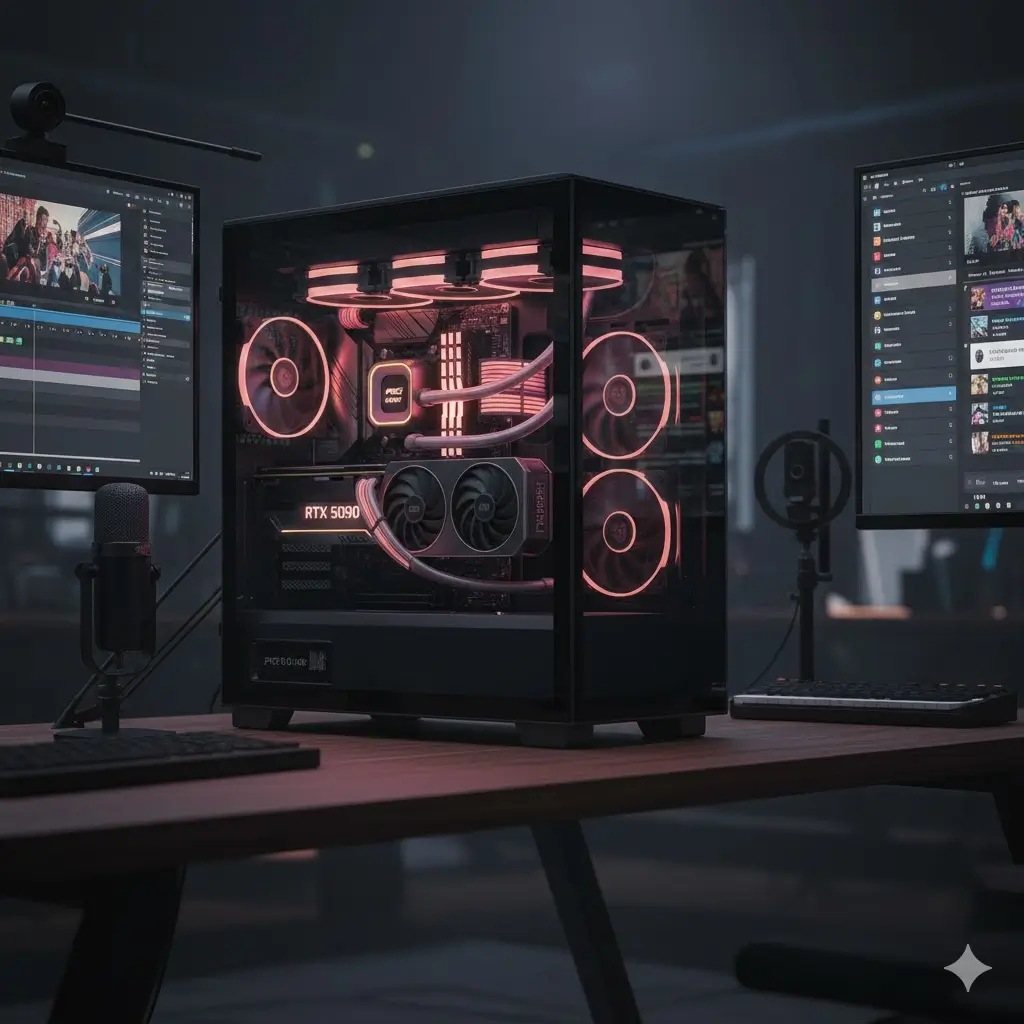
A: Absolutely! Gaming PCs are powerful machines perfectly capable of handling a wide range of non-gaming tasks with ease. Their robust CPUs, ample RAM, and high-performance GPUs make them ideal for video editing, graphic design, 3D rendering, coding, and even complex data analysis. Many professionals leverage their gaming PCs as primary workstations, taking advantage of the raw processing power for demanding creative or analytical software. This versatility is a major draw for who buys gaming pc, offering excellent value beyond just entertainment.
Q: Is VR gaming popular among gaming PC owners in 2026?
A: VR gaming continues to grow in popularity among gaming PC owners in 2026, though it remains a niche compared to traditional flat-screen gaming. Advances in VR headset technology, reduced prices, and more compelling game titles are driving adoption. PC VR offers the highest fidelity and most immersive experiences compared to standalone VR or console VR, making it appealing to enthusiasts with powerful gaming rigs. Many users are experimenting with new VR experiences, from competitive games to immersive simulations, viewing it as the next frontier in interactive entertainment.
Q: How do I choose the right CPU for my gaming PC?
A: Choosing the right CPU involves balancing performance, core count, and budget. For pure gaming, a CPU with strong single-core performance is often more crucial than a very high core count, though more cores help with multitasking, streaming, and future-proofing. Intel's i5/i7 series or AMD's Ryzen 5/7 series are popular choices for mid-to-high-end gaming. Consider the CPU's generation, socket compatibility with your motherboard, and its price-to-performance ratio. Always pair it with an adequate cooler, especially for higher-tier processors, to ensure optimal thermal management.
Q: Are gaming PCs environmentally friendly in 2026?
A: While gaming PCs consume more power than consoles, the industry is making strides towards environmental friendliness in 2026. Many components are designed with energy efficiency in mind, and power supplies carry efficiency ratings (like 80 Plus Gold). Additionally, the longer lifespan and upgradeability of PCs mean less frequent hardware replacement compared to consoles, potentially reducing e-waste over time. Users can also manage power settings to reduce consumption when not gaming. The focus is increasingly on sustainable manufacturing and reducing the carbon footprint throughout the product lifecycle.
In 2026, the question "who buys gaming pc" reveals a surprisingly diverse and growing audience that shatters old stereotypes. Gone are the days when gaming PCs were exclusively for teenagers in basements. Today, the typical gaming PC owner is far more likely to be an adult, averaging around 36 years old, juggling a career, family, and other life responsibilities. These individuals, representing approximately 60% of all gamers, aren't just playing; they are integrating gaming into their lives as a vital source of relaxation, social connection, skill development, and even a creative outlet. Yet, this dynamic lifestyle often comes with unique challenges: finding time to play, dealing with setup frustrations, ensuring optimal performance, and making smart upgrade decisions on a budget. This guide will help you understand the modern gaming PC owner and equip you with practical solutions to navigate these challenges, ensuring your gaming experience is nothing short of exceptional.
Who exactly is buying gaming PCs in 2026?
The answer to "who buys gaming pc" is multifaceted in 2026. The demographic is incredibly broad, encompassing everyone from students entering the competitive esports scene to seasoned professionals seeking a powerful workstation that doubles as an entertainment hub. A significant portion are busy adults, aged 30-50, who appreciate the immersive escape and social opportunities gaming provides after a long day. This group often prioritizes reliability, value for money, and systems that can handle both demanding games and productivity tasks. We also see content creators, streamers, and developers who rely on high-performance PCs for their livelihoods, alongside casual gamers who just want a smooth experience with their favorite cozy games or free-to-play titles. Recent data shows that 87% of US gamers play regularly, often dedicating 10+ hours a week, indicating a deeply ingrained hobby across various life stages.
Why are more adults investing in high-performance gaming PCs?
Adults are increasingly investing in high-performance gaming PCs for several compelling reasons that go beyond mere entertainment. For many, it's about finding a genuine way to unwind and de-stress. The immersive worlds and challenging gameplay offer a unique form of escapism from daily pressures. Social connection is another huge driver; with games like Palworld, Lethal Company, and Valorant trending this month, PC gaming provides a dynamic platform for connecting with friends, family, and online communities via Discord. Furthermore, a high-end PC often serves a dual purpose, excelling not only in gaming but also in demanding tasks like video editing, graphic design, or complex data analysis for work. The customization, upgradeability, and superior graphical fidelity offered by PCs also appeal to those who demand the best possible experience and long-term value from their technology.
What are the core needs of a busy gamer when buying a PC?
Busy gamers, those balancing careers and families, have specific needs when considering who buys gaming pc and what they buy. Top on the list is **reliability and ease of use**. They need a system that works out of the box with minimal troubleshooting. **Performance optimization** is crucial; with limited playtime, every minute counts, so lag-free gameplay and quick load times are paramount. **Value for money** is also a key consideration, as budgets are often stretched. They look for systems that offer excellent performance today while providing a clear upgrade path for tomorrow without breaking the bank. Finally, **quiet operation** and a **compact form factor** can be important, especially if the PC is located in a shared living space.
How do you balance gaming PC upgrades with a tight budget?
Balancing gaming PC upgrades on a tight budget requires strategic planning. Instead of full system overhauls, focus on **incremental upgrades**. Identify the bottleneck component, usually the GPU or CPU, and upgrade that first. For example, if your GPU is five years old, replacing it can offer a significant performance boost for hundreds, not thousands, of dollars. Monitor tech news for new component releases, as older generation parts often drop in price. Consider buying **used components from reputable sellers** or during **major sales events** like Black Friday or Amazon Prime Day. Upgrading RAM and adding an SSD are also highly cost-effective ways to improve overall system responsiveness without a huge investment. A smart gamer knows when to wait and when to strike for the best deals.
Is a prebuilt gaming PC better than building your own for busy individuals?
For many busy individuals, a **prebuilt gaming PC is often the better choice**. While building your own PC can offer maximum customization and potentially save a small amount of money, it demands significant time for research, component selection, assembly, and troubleshooting. Busy adults simply don't have that luxury. Prebuilt systems offer **convenience, professional assembly, and usually come with a comprehensive warranty**, providing peace of mind. Many reputable brands offer excellent cable management and optimized cooling right out of the box. Plus, the current market sees competitive pricing on prebuilts, often negating much of the cost advantage of building it yourself, especially when factoring in the value of your time. This month, many retailers are offering compelling bundles.
Where can you find reliable gaming PC recommendations for specific game types?
Finding reliable gaming PC recommendations for specific game types involves knowing where to look. For general advice, trusted tech review sites like PC Gamer, IGN, and Tom's Hardware consistently publish reviews and build guides tailored to different budgets and performance tiers. For more personalized recommendations, **Reddit communities** like r/buildapc or r/gamingpc are invaluable. You can post your specific needs, budget, and target games, and experienced users will offer tailored advice. YouTube channels from hardware reviewers like Gamers Nexus or JayzTwoCents provide in-depth analysis and benchmarks for the latest components. Additionally, major gaming communities for popular titles often have dedicated forums where players discuss optimal PC setups for their game, ensuring you get advice from those who truly understand the game's demands.
What trends are influencing gaming PC purchases this month?
Several trends are influencing "who buys gaming pc" this month. First, the continued popularity of **cross-platform play** means PC gamers are often connecting with friends on consoles and mobile, driving demand for powerful machines that can handle high-fidelity graphics and smooth online experiences. Second, the rise of **social and cozy games** (like the aforementioned Palworld or the enduring appeal of Minecraft) alongside competitive esports titles (Valorant, League of Legends) means a broader range of performance needs. Third, **AI-powered upscaling technologies** like DLSS and FSR are becoming standard, allowing mid-range GPUs to achieve impressive performance, making high-end gaming more accessible. Finally, the growing influence of **creators and streamers** continues to push consumers towards PCs capable of both gaming and content creation, requiring robust CPUs and ample RAM, reflecting a blended use-case for many buyers.
How do gaming PCs support social connections and community building?
Gaming PCs are pivotal for fostering social connections and building communities. Online multiplayer games, which constitute a significant portion of what 87% of regular US gamers play, are inherently social. Platforms like Discord have become virtual meeting spaces where friends chat, strategize, and bond while playing. Co-op games allow friends and family to team up and share experiences, strengthening relationships. Even single-player games can be social through streaming platforms like Twitch, where viewers interact with creators and other fans, creating shared experiences. For busy adults, these digital spaces offer a flexible way to maintain friendships and de-stress collaboratively, transcending geographical barriers and hectic schedules. This social aspect is a major draw for who buys gaming pc today.
When is the best time to upgrade components in a gaming PC?
The best time to upgrade components in a gaming PC is generally when you notice a **significant performance drop** in your preferred games, or when new titles you want to play no longer run acceptably. Instead of waiting for a full PC refresh, consider upgrading strategically. GPU cycles typically see major performance leaps every 2-3 years, while CPUs can last 4-5 years or more for most gaming needs. Keep an eye on **major tech launch cycles** (e.g., new NVIDIA or AMD GPU generations) as this often causes prices of previous-gen hardware to drop. Additionally, **holiday sales events** (Black Friday, Cyber Monday, Prime Day) are excellent times to snag deals on components. Avoid upgrading simply due to hype; assess your actual needs and budget.
Are gaming PCs a good investment for stress relief and mental well-being?
For many, gaming PCs are indeed a good investment for stress relief and mental well-being. Studies and anecdotal evidence consistently show that gaming can reduce stress, improve mood, and even enhance cognitive skills like problem-solving and reaction time. The immersive nature of games provides a healthy escape, allowing individuals to disconnect from daily stressors. Social gaming offers a platform for connection, combating loneliness and fostering a sense of community. For busy adults, a dedicated gaming setup signifies a commitment to personal time and a hobby that offers both relaxation and a sense of accomplishment. It's an investment in a valuable self-care tool, provided it's balanced with other life responsibilities, making it a key driver for who buys gaming pc.
The landscape of gaming PC ownership in 2026 is rich and varied, driven by a diverse group of individuals seeking connection, challenge, and relaxation. From the busy professional to the dedicated streamer, the common thread is the desire for a powerful, reliable machine that enhances their life. Understanding "who buys gaming pc" reveals that gaming is no longer a niche hobby but a mainstream activity deeply integrated into modern lifestyles. By addressing common pain points and offering practical, value-driven solutions, gamers can continue to enjoy their passion for years to come.
What's your biggest gaming challenge? Comment below!
FAQ Section
What is the average age of a gaming PC owner?
The average age of a gaming PC owner in 2026 is approximately 36 years old, reflecting a significant shift towards adult gamers balancing their passion with professional and family lives.
Do most gaming PC buyers build their own computers?
No, a growing number of gaming PC buyers, especially busy adults, opt for prebuilt systems due to convenience, professional assembly, warranty support, and increasingly competitive pricing.
How important is social interaction for PC gamers?
Social interaction is extremely important. Platforms like Discord and online multiplayer games foster communities, allowing gamers to connect, collaborate, and de-stress with friends and new acquaintances across various titles.
What are common pain points for gaming PC owners?
Common pain points include initial setup issues, optimizing performance for new games, choosing hardware upgrades on a budget, balancing gaming time with life responsibilities, and staying current with tech trends without overspending.
Are gaming PCs better for content creation than consoles?
Yes, gaming PCs offer significantly more power, flexibility, and software compatibility for content creation like streaming, video editing, and graphic design, making them the preferred platform for creators.
How often should I clean my gaming PC?
It's generally recommended to clean your gaming PC, especially dust from fans and heatsinks, every 3-6 months to maintain optimal performance and prevent overheating.
Diverse gamer demographics, busy adults balancing life, competitive players, content creators, value-driven buyers, tech enthusiasts, social gaming focus.
35
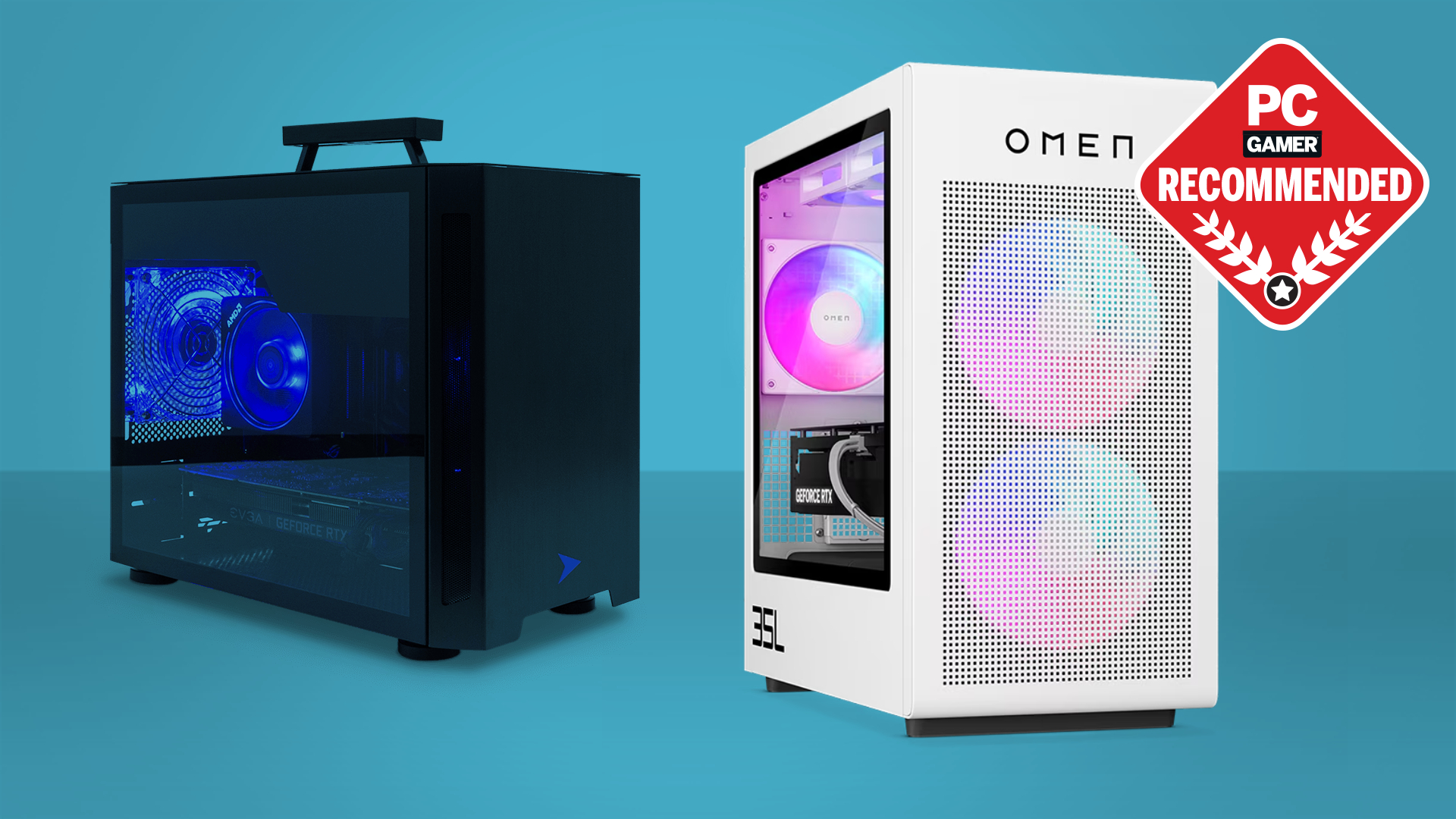


Best Prebuilt Gaming PC 2026 1440p 4k Budget Best Gaming PC . Best Graphics Cards In 2026 I Ve Tested Pretty Much Every AMD And . Top 10 Best Desktop Computers 2026 For Home Office And Work Lenovo Legion Tower 7i 2026 High Performance Desktop Computer With RGB Lighting Featured In. Best Gaming PC Builds For 2026 Best Gaming PC Builds For 2026.webp. 8 Best Gaming PCs For 2026 Ultimate Buyer S Guide Best Gaming Pc 2026 The Neuralcore X.webp
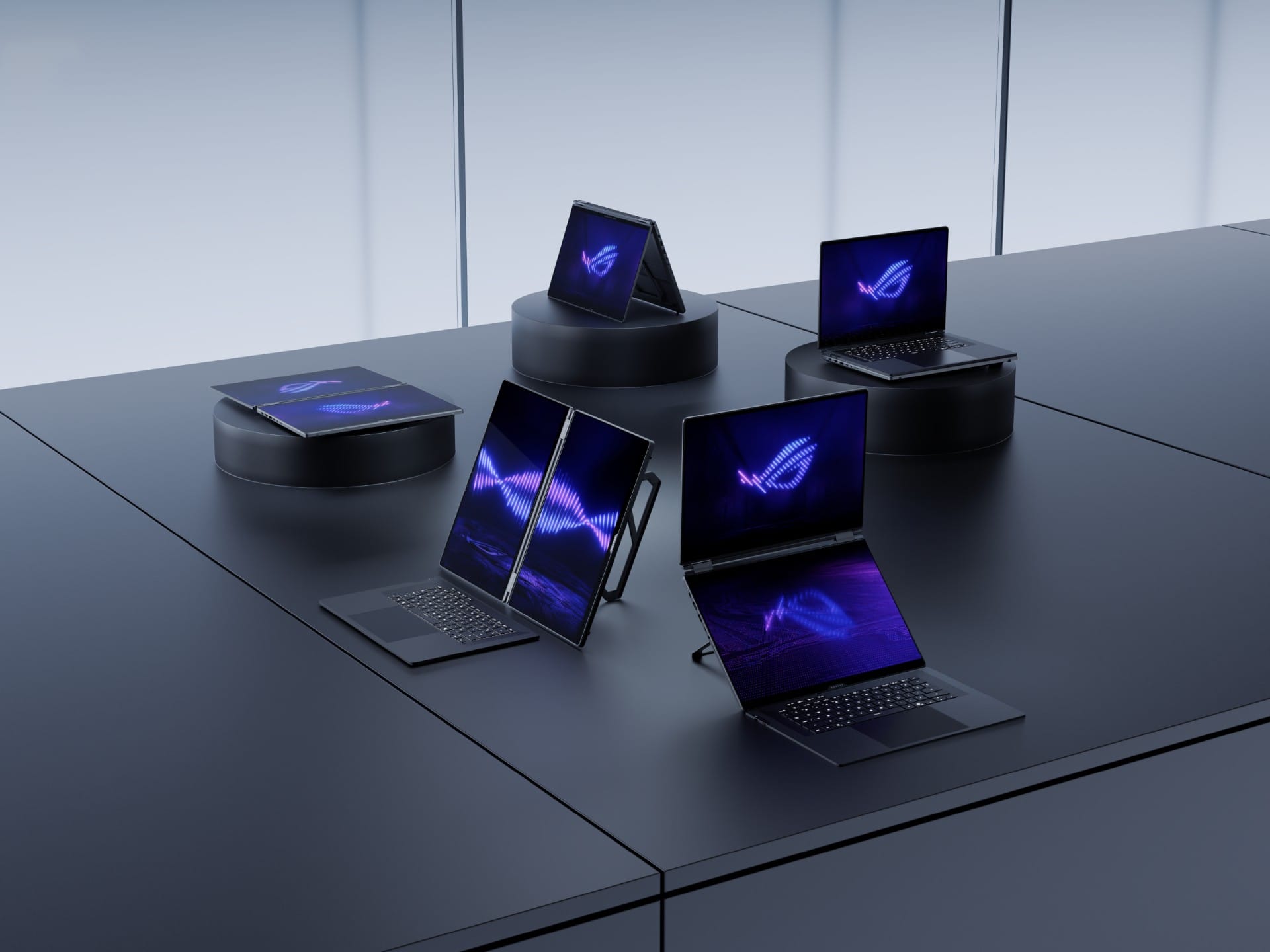


Asus ROG CES 2026 Zephyrus Laptops G1000 Desktop For UAE Asus Rog Ces 2026 News Uae . 8 Best Gaming PCs For 2026 Ultimate Buyer S Guide Best Gaming Pc The Apex Titan 2026.webp. 7 Best Gaming PCs Of 2026 Power Performance And Value Revealed Top Gaming Pcs 2026 1lmv2 . The 5 Best Gaming PC Cases 2026 Which One Should You Buy YouTube . What Does 1000 Actually Get You In The 2026 PC Market 1000 Dollar Gaming Pc Performance Tradeoffs 2026



Desktop Reviews Analysis And Buying Guides Tom S Hardware Tom S . Best Gaming PC For Competitive Gaming 2026 Hardware Guide The Best Gaming PC For Competitive Gaming 2026 Performance Guide.webp. The Best Gaming PC Builds For 2026 Top Picks And Reviews Best Pc Build 300x300 . Best Budget Gaming PC Builds For 2026 500 800 Best Budget Gaming PC Builds For 2026.webp. What Was The Top PC Gaming Experience Best Gaming Desktops


R15 000 Gaming PC Guide 2026 R15 000 Gaming Pc Sa 2026 Banner.webp. ASUS ROG Showcase At CES 2026 Confirmed With New Gaming Gear Laptops 109228 43 Asus Rog Showcase At Ces 2026 Confirmed With New Gaming Gear Laptops And Future Technology Full . Best Value Gaming PC 2026 Buy In South Africa Evetech Best Value Gaming Pc South Africa 2026 980px V1.webp. Best 750 Gaming PC Build For 2026 Smooth Gaming PC Guru Best Itx Gaming Pc Build 2026 800x500 . How Much For A PC Gaming Setup Cost Top 3 Gaming Laptops Of 2026 - The Ultimate Guide


Gaming PC Gaming PC Build 2026 Gaming Computer Buy Online YouTube . Best Prebuilt Gaming PC 2026 For Esports AAA And Streaming Gamer Org A Sleek Youtube Thumbnail Design With Bo Z5fskbADS9 PZy23Rqs Zg NA9Dn G . The Ultimate Gaming PC Build 2026 Guide By Xidax 1 Unnamed . Summer 2026 PC Best Buy Guide Prebuilt Power For Streamers SoftBit System Edit Compressed . What Was The Top PC Gaming Experience Best PC For Gaming 2024 1024x576


The Best Gaming PC Of 2026 Top Prebuilt Desktops Gaming Pc . Best Gaming PC 2026 The Ultimate Performance Guide Bliss Lifes Best Gaming Pc 2026 The Ultimate Performance Guide Featured Image 1320x700 . PC Project 2026 Where To Start With Building Your Own Gaming PC CCL CCL 667 BLOG BUILD GUIDE 1980x1080 . Will Gaming PCs Get CHEAPER In 2026 Gaming PC Prices RAM Prices Media. How Much Does It Cost To Build A Gaming PC In 2026 Full Budget Guide Low Cost PC For Gaming


Top 10 Gaming Laptops To Buy In 2026 Power Meets Innovation YouTube . When To Build Your 2026 Gaming PC Best Time To Build Gaming Pc 2026 Banner.webp. Best Gaming Laptop 2026 Real World Picks I D Actually Buy Gamer Org A Sleek Tech Thumbnail Design Featuring 780x438 . 8 Best Gaming PCs For 2026 Ultimate Buyer S Guide The Creators Dream Msi X 2026.webp. Top 10 Most Anticipated Games Of 2026 What To Watch Out For TVN GAMES IN 2026