Many US gamers, with an average age around 36, skillfully balance demanding jobs, family commitments, and life's myriad responsibilities, making their precious gaming time a vital escape. This comprehensive guide on how to improve gaming setups is meticulously crafted specifically for them. We dive deep into practical, budget-friendly strategies designed to significantly enhance your gaming experience, ranging from optimizing PC performance and fine-tuning console configurations to upgrading essential peripherals for superior comfort and a competitive edge. Discover expert tips on constructing an ergonomic battle station that supports extended play sessions, efficiently managing vast game libraries, and leveraging powerful social features for robust community engagement. Learn about smart hardware upgrades that offer the absolute best value for money in 2026, discover essential software tweaks for consistently smoother gameplay, and even receive tailored recommendations for picking games that perfectly fit a limited schedule. This invaluable resource aims to cut through all the unnecessary hype, providing actionable, research-backed insights so you can maximize relaxation, actively build new skills, and truly enjoy social play without any added stress or excessive expense. We're here to help you effortlessly stay current with the latest trends, effectively solve common setup issues, and ensure your dedicated gaming time is always rewarding and fulfilling.
How can I immediately improve my gaming setup's performance without spending money?
A: Focus on software optimization first. Close all unnecessary background applications, update your graphics drivers to the latest version, and adjust demanding in-game graphics settings to match your hardware's capabilities. Also, ensure your operating system's power plan is set to 'High Performance'. Physically, a quick dust-out of your PC fans and proper cable management can improve airflow, preventing thermal throttling.
What are the most impactful budget upgrades for a gaming setup in 2026?
A: In 2026, the most impactful budget upgrades include: first, an SSD (Solid State Drive) if you're still on an HDD for significantly faster load times and overall system responsiveness; second, a high refresh rate monitor (144Hz+) for smoother visuals; and third, an ergonomic chair or quality peripherals like a precise gaming mouse and a comfortable mechanical keyboard. These upgrades offer substantial improvements without breaking the bank.
How do I make my gaming setup more comfortable for long play sessions?
A: To enhance comfort, prioritize an ergonomic setup. Invest in an adjustable ergonomic chair, position your monitor so the top edge is at eye level, and ensure your keyboard and mouse allow for neutral wrist positioning (consider wrist rests). Proper lighting to reduce eye strain and regular short breaks are also crucial for sustained comfort during extended gaming sessions, preventing aches and fatigue.
What's the best way to keep my gaming setup clean and maintained?
A: Consistent cleaning and maintenance are key. Regularly use compressed air to clear dust from your PC's fans and heatsinks, ideally every 3-6 months. Wipe down peripherals with appropriate electronic cleaners and a microfiber cloth. Excellent cable management not only makes your setup look tidier but also improves airflow and reduces dust accumulation, contributing to longer hardware lifespan.
How can I optimize my internet connection for competitive online gaming?
A: For competitive online gaming, always use a wired Ethernet connection over Wi-Fi to minimize latency and ensure stability. Prioritize gaming traffic using Quality of Service (QoS) settings on your router, and close any bandwidth-heavy background applications or downloads. Ensuring your modem and router are up-to-date can also provide better performance and reliability.
Are there any free tools to enhance my gaming experience?
A: Absolutely. Utilize graphics card software like NVIDIA GeForce Experience or AMD Adrenalin for driver updates and game optimization profiles. Discord provides free voice chat and community features. Most operating systems include a 'Game Mode' to prioritize resources, and many excellent free-to-play titles offer deep and engaging experiences without any upfront cost, enhancing your library affordably.
How do I integrate smart home tech into my gaming setup for convenience?
A: Smart home tech can greatly enhance convenience. Integrate smart lighting (like Philips Hue) for immersive, game-synced ambiance or to easily switch lighting scenes. Use voice assistants (Google Assistant, Alexa) to control volume, launch games, or manage background apps. Smart plugs can also power cycle peripherals or your entire setup with a simple voice command, streamlining your gaming routine.
Hey fellow gamers! If you're anything like the typical US gamer in 2026, averaging around 36 years old, you're probably juggling a career, family life, and countless other responsibilities. Your gaming time isn't just a hobby; it's a vital escape, a way to relax, connect with friends, build new skills, or simply unwind after a long day. But let's be real: between work calls and soccer practice, who has time to research every new piece of tech or troubleshoot endless lag spikes? You want a gaming setup that just works, performs reliably, feels comfortable, and doesn't demand a second mortgage. You're looking for value, performance, and perhaps a dash of future-proofing, all without getting sucked into the endless hype cycle.
You've likely faced the frustration of a choppy frame rate during a crucial match, the discomfort of a poorly designed chair after an hour, or the overwhelming feeling of not knowing where to start with upgrades that truly matter. Maybe you're tired of sifting through conflicting advice on Reddit or watching YouTube videos packed with products you don't need. This guide is your no-nonsense resource on how to improve gaming setups. We're going to cut straight to the chase, offering practical, actionable advice that respects your time and your budget. From boosting performance on your existing hardware to making smart upgrades and optimizing your entire gaming ecosystem, we'll cover everything you need to know to transform your current setup into the ultimate gaming sanctuary. Let's make your limited gaming hours as awesome as they deserve to be.
How can I boost my PC gaming performance without buying a new rig?
Many gamers think a new graphics card or CPU is the only answer to sluggish performance, but often, significant gains can be made through software optimization and basic maintenance. In 2026, smart software management is more critical than ever, especially with modern games demanding more system resources.
Driver Updates: Always keep your graphics card (NVIDIA, AMD, Intel), chipset, and sound drivers up to date. Manufacturers constantly release performance-enhancing updates. Check monthly!
Close Background Apps: Before launching a game, close unnecessary applications, browser tabs, and background processes. Even Discord or Spotify can eat into valuable RAM and CPU cycles. Use Task Manager (Ctrl+Shift+Esc) to identify and end resource hogs.
In-Game Settings Optimization: Don't just crank everything to 'Ultra'. Experiment with settings like shadow quality, anti-aliasing, and view distance. Often, reducing one or two demanding settings can yield a big FPS boost with minimal visual impact. Many modern games offer an 'optimized settings' button based on your hardware, a great starting point.
Power Settings: Ensure your operating system's power plan is set to 'High Performance' during gaming. This prevents your CPU from throttling down to save power.
Disk Cleanup and Defragmentation: Regularly clean temporary files and defragment traditional HDDs. If you're on an SSD, ensure TRIM is enabled, but avoid defragmenting it.
Cooling and Airflow: Dust is your enemy. Regularly clean your PC's fans and heatsinks with compressed air. Proper cable management inside your case also improves airflow, preventing thermal throttling which can severely impact performance. Over 87% of US gamers game regularly, and many play 10+ hours a week; keeping your machine cool is crucial for sustained performance.
What are the essential ergonomic upgrades for long gaming sessions?
As gamers who balance life's demands, sustained comfort is paramount. Long sessions without proper ergonomics lead to fatigue, back pain, wrist strain, and potential long-term injuries. Prioritizing comfort is a smart investment in your gaming longevity and overall well-being.
Ergonomic Chair: This is arguably the most crucial upgrade. Look for a chair with adjustable lumbar support, armrests (4D is ideal for various postures), and headrest. A good chair supports your natural spinal curve and reduces pressure points. You don't need a flashy 'gaming' chair if a well-designed office chair provides better support.
Monitor Placement: Position your monitor so the top of the screen is at eye level, about an arm's length away. Use a monitor arm or stand to achieve this. This prevents neck strain from looking up or down constantly.
Keyboard and Mouse Positioning: Keep your keyboard close to your body and your mouse within easy reach. Your wrists should be straight, not bent up or down. A wrist rest can help maintain a neutral wrist position, especially for mechanical keyboards.
Desk Height: Ensure your desk allows your arms to be at a 90-degree angle when typing or mousing, with your feet flat on the floor. An adjustable standing desk is an excellent investment for varying posture throughout the day.
Lighting: Proper ambient lighting reduces eye strain. Avoid playing in a completely dark room or with harsh overhead lights. Bias lighting behind your monitor can help reduce glare and eye fatigue.
How do I optimize my console setup for the best experience?
Consoles are designed for ease of use, but a few tweaks can significantly elevate your experience, especially for those who enjoy cross-play and social gaming.
Wired Connection: Just like PC gaming, a wired Ethernet connection for your console is superior to Wi-Fi. It provides lower latency and more stable connection, crucial for competitive online titles and seamless cloud gaming, which is increasingly popular this month.
TV/Monitor Settings: Enable 'Game Mode' on your TV if available. This reduces input lag. Adjust picture settings for optimal clarity and color. Many modern TVs support high refresh rates (120Hz) and VRR (Variable Refresh Rate) which significantly improve fluidity for compatible games.
Audio Setup: Don't rely solely on TV speakers. A good gaming headset or soundbar provides immersive audio, clearer comms, and competitive awareness. This month, spatial audio features on consoles are making a huge difference in pinpointing enemy locations.
Storage Expansion: Modern games are massive. Invest in an external SSD (for older generation games) or an official expansion card (for current-gen titles) to increase storage and reduce load times.
Controller Comfort: Consider third-party controllers with ergonomic designs, back paddles, or custom button mapping for enhanced comfort and competitive advantage. Battery life is also a common pain point; have a charging station or extra batteries ready.
What are the best budget-friendly hardware upgrades right now?
You don't need to break the bank to see noticeable improvements. Smart, targeted upgrades can make a big difference, especially for gamers who prioritize value for money.
SSD Upgrade: If you're still on an HDD for your primary drive, upgrading to a Solid State Drive (SSD) is the single most impactful upgrade for overall system responsiveness and game load times. Even a 500GB or 1TB SATA SSD can transform your experience for under $100.
High Refresh Rate Monitor: Moving from a 60Hz monitor to a 144Hz (or even 75Hz) monitor is a game-changer for fluidity and responsiveness, especially in fast-paced titles. You can find excellent 1080p 144Hz monitors for a very reasonable price this month.
Improved Peripherals: A good mechanical keyboard (even budget options) and a precise gaming mouse can significantly enhance your control and comfort. Don't underestimate a quality mousepad either; it impacts mouse tracking. You can often find great deals on these during sales.
RAM Upgrade: If you have 8GB of RAM, upgrading to 16GB (or even 32GB for heavy multitaskers) can prevent stuttering and improve overall system stability, particularly in memory-intensive games or while streaming. Check your motherboard's compatibility first.
Quality Headset: A comfortable headset with clear audio and a good microphone is essential for social gaming and competitive play. This month, many budget-friendly options offer excellent spatial audio and microphone quality for under $75.
How can I manage my game library and find new games with limited time?
With countless releases and a vast backlog, managing your game library and discovering new gems that fit your schedule can be a challenge. US gamers often look for quick, engaging experiences.
Digital Library Management: Utilize features within Steam, Epic Games Store, Xbox Game Pass, or PlayStation Plus to organize your games. Use categories, wishlists, and filters to keep track of what you own and what you want.
Game Pass/Subscription Services: Services like Xbox Game Pass (PC & Console), PlayStation Plus, and even Amazon Prime Gaming offer a curated library of games for a monthly fee. This is excellent for trying new titles without a full purchase commitment, helping you discover games that suit your limited time.
Prioritize Shorter Experiences: Focus on games with shorter campaigns, clear objectives, or robust co-op/multiplayer modes that allow for quick, impactful sessions. Social/cozy games are trending this month, offering relaxing experiences that can be picked up and put down easily.
Follow Curators/Reviewers: Find trusted gaming content creators or review sites that cater to your specific taste and time constraints. They often highlight hidden gems or games perfect for busy adults.
Embrace Free-to-Play (F2P) & Mobile Games: Many F2P titles offer deep, engaging experiences that are perfect for short bursts of play. Mobile gaming is dominant, with many core gamers enjoying cross-play titles or dedicated mobile experiences that fit into small breaks.
What software tweaks and settings should I focus on for smoother gameplay?
Beyond hardware, your software environment plays a huge role in gaming performance. A few strategic tweaks can yield surprisingly smooth results.
Operating System Optimization: In Windows 11, activate 'Game Mode' (Settings > Gaming > Game Mode) which prioritizes system resources for your game. Disable visual effects (Performance Options > Adjust for best performance) and unnecessary startup programs.
Graphics Card Control Panel: Dive into your NVIDIA Control Panel or AMD Adrenalin Software. You can set global performance profiles, enable features like DLSS/FSR (AI upscaling), tweak anti-aliasing, and even set per-game profiles for optimal performance.
Monitor Settings (OS Level): Ensure your monitor is set to its highest refresh rate in Windows Display Settings. Also, verify HDR is configured correctly if your monitor supports it and you want to use it.
Network Settings: For online games, consider Quality of Service (QoS) settings on your router to prioritize gaming traffic. Disable bandwidth-heavy cloud syncs or updates while gaming.
Regular Updates: Keep your operating system and all game launchers (Steam, Epic, etc.) updated. Patches often include performance improvements and bug fixes.
DirectX/Vulkan Runtime: Ensure you have the latest versions of DirectX and Vulkan runtimes installed, as many games rely on these for rendering.
How do I balance gaming with my job and family responsibilities?
This is a major pain point for the average gamer. It's not about cutting gaming entirely, but integrating it thoughtfully into a busy life.
Schedule Gaming Time: Treat gaming like any other appointment. Block out specific times in your calendar for it. Communicate this with your family so everyone knows your 'gaming slot'. This helps prevent guilt and ensures dedicated relaxation time.
Communicate and Compromise: Talk to your family about your gaming interests. Involve them where possible, perhaps with family-friendly party games or local co-op. Compromise on screen time; maybe game after kids are asleep or during a pre-agreed leisure window.
Prioritize: Recognize that gaming is a stress reliever, but responsibilities come first. Finish work tasks and family duties before diving into a game. This makes your gaming time more enjoyable and guilt-free.
Utilize Quick Sessions: Not every game session needs to be hours long. Many popular games offer short, impactful experiences. Mobile games, quick multiplayer matches, or even exploring a specific quest for 30-45 minutes can be fulfilling.
Join Flexible Communities: Find gaming communities or friends who understand the 'adult gamer' schedule. Discord is excellent for this, allowing you to easily jump into games when you have a window, without feeling obligated to lengthy sessions. Social gaming remains a huge trend in 2026, fostering connection.
What are the latest social gaming trends and how can I join in?
Social gaming isn't just about competitive esports anymore; it's about connection, shared experiences, and unwinding together. This trend is particularly appealing to gamers seeking stress relief and community.
Cross-Platform Play: More games than ever support cross-play between PC, Xbox, PlayStation, and even mobile. This allows you to game with friends regardless of their preferred platform. Look for titles like Call of Duty, Fortnite, or new co-op adventures that embrace this feature.
Cozy/Social Simulation Games: Games like Animal Crossing, Stardew Valley, or Palia offer relaxing, low-pressure environments for friends to build, explore, and interact. These are fantastic for unwinding and connecting without intense competition.
Discord Integration: Discord remains the go-to platform for voice chat, text communities, and organizing game sessions. Many games have official Discord servers, and it's easy to create private servers for your friend group.
Game Streaming and Co-watching: Services like Twitch and YouTube Gaming allow you to watch friends play, or even stream your own sessions. Many gamers enjoy co-watching esports or popular streamers, fostering a shared experience.
VR Social Spaces: While still niche, VR social platforms are growing. Games like VRChat or Rec Room offer unique ways to interact with friends in virtual environments. As VR tech improves (like the lighter, more accessible headsets trending this month), these spaces will become even more immersive.
Is VR worth it for the average gamer in 2026?
VR has evolved rapidly, and in 2026, it offers more compelling experiences than ever. However, its 'worth' still depends on your specific interests and budget.
Accessibility: Headsets are becoming more standalone and user-friendly. The latest models offer improved resolution, wider fields of view, and lighter designs, making VR less cumbersome and more accessible. Prices for entry-level standalone headsets are also more competitive.
Game Library: The library of high-quality VR games has significantly expanded beyond tech demos. Expect immersive action, horror, puzzle, and social experiences. Many established franchises are also getting VR spin-offs or modes. Look into services like Meta Quest+ for curated monthly titles.
Immersion: Nothing beats the immersion of VR. For specific genres like flight simulators, racing games, or horror, VR offers an unparalleled sense of presence that 2D screens cannot replicate.
Considerations: VR still requires a dedicated space, and some users experience motion sickness. The initial investment, while lower than before, is still substantial for a good quality headset and potentially a powerful PC to drive it. It's not a primary gaming platform for most, but an incredible supplementary one.
Recommendation: If you're looking for truly novel gaming experiences and have some disposable income, 2026 is a great time to experiment with VR. Try a friend's setup or a local VR arcade before committing. The social and fitness aspects are also strong motivators for many.
How can I keep my gaming setup clean and maintained for longevity?
A clean and well-maintained setup not only looks better but also performs better and lasts longer. This is crucial for value-conscious gamers.
Regular Dusting: Dust is the enemy of electronics. Use compressed air to blow out dust from PC fans, heatsinks, and console vents at least once a month. Wipe down external surfaces with a microfiber cloth.
Cable Management: Tidy cables improve airflow, reduce dust traps, and make your setup look cleaner. Use zip ties, Velcro straps, or cable sleeves. A cable management box can hide power strips and unsightly wires.
Peripheral Cleaning: Use isopropyl alcohol wipes for mice, keyboards, and controllers to remove grime and oils. Q-tips can reach into tight spots. For screens, use a dedicated screen cleaner and a microfiber cloth, never harsh chemicals.
Software Maintenance: Regularly uninstall unused programs, run antivirus scans, and clear browser caches. Keep your operating system updated to prevent security vulnerabilities and ensure optimal performance.
Environmental Control: Keep food and drinks away from your peripherals. If you have pets, be extra vigilant about pet hair buildup, especially in PC fans. Consider an air purifier for your gaming room.
There you have it! Improving your gaming setup doesn't always mean buying the latest, most expensive gear. Often, it's about smart optimization, ergonomic awareness, and making thoughtful, budget-friendly choices that enhance your comfort, performance, and overall enjoyment. By focusing on areas like software efficiency, proper ergonomics, and targeted upgrades, you can transform your gaming experience, making those precious gaming hours more fulfilling than ever. Remember, the goal is a setup that supports your passion for gaming without adding stress to your busy life.
What's your biggest gaming challenge or your favorite budget-friendly upgrade? Comment below and share your wisdom with the community!
FAQ Section
Q: What's the quickest way to improve my gaming PC's frame rate?
A: The quickest way is to update your graphics drivers, close all unnecessary background applications, and reduce demanding in-game graphics settings like shadows and anti-aliasing. Also, ensure your PC's cooling is efficient to prevent thermal throttling.
Q: How often should I clean my gaming PC?
A: Ideally, you should give your gaming PC a thorough dusting with compressed air every 3-6 months. For high-dust environments or if you have pets, monthly spot-cleaning of fans and vents is recommended to maintain optimal airflow.
Q: Can a gaming monitor really make a difference if my PC isn't high-end?
A: Yes, absolutely. Even if your PC can't push ultra-high frame rates, a monitor with a higher refresh rate (like 144Hz) and lower response time will provide a much smoother, more responsive visual experience, making gameplay feel significantly better, especially in fast-paced titles.
Q: Are gaming chairs actually better than ergonomic office chairs?
A: Not necessarily. While some gaming chairs offer good support, many excellent ergonomic office chairs often provide superior adjustability and lumbar support for long-term comfort and health. Prioritize proper ergonomics over a 'gaming' aesthetic.
Q: Is cloud gaming a viable option for improving my setup in 2026?
A: Cloud gaming services are increasingly viable, offering access to high-end games without needing powerful local hardware. With improving internet infrastructure and lower latency, services like Xbox Cloud Gaming or GeForce Now are excellent for gamers on a budget or those with limited time, especially for mobile and cross-play.
Q: How important is a good internet connection for non-online games?
A: For strictly single-player offline games, your internet speed is less critical. However, a good connection is still vital for fast game downloads, updates, cloud saves, and accessing features like mods or community content, even if you're not playing online multiplayer.
Performance Optimization, Ergonomic Comfort, Budget Upgrades, Software Tweaks, Social Gaming, Time Management, Latest Trends, Setup Troubleshooting
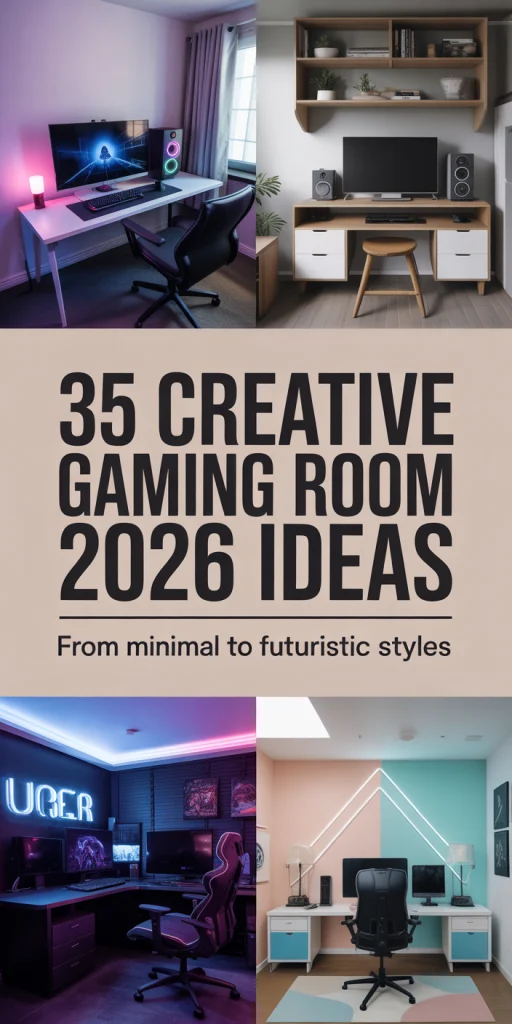
35


2026 GAMING SETUP TOUR YouTube . Gaming Desktop PC Guide 2026 Build The Ultimate Gaming Setup 2 2 3 . Gaming Room Setup Ideas 2026 46 Inspiring Looks For Every Style Image 4. Gaming Room Setup Ideas 2026 Modern Stylish 0001 2 A Cinematic Ultra Realistic Photograph O 2w . Ultimate Gaming Setup Guide 2025 Best Gaming Setup 2025 1068x610


Building The ULTIMATE Gaming Setup 2026 YouTube . How To Build Your Dream Gaming Setup In 2026 How To Build Your Dream Gaming Setup.webp. Best Budget Gaming Setup In 2026 Full Guide For Beginners Budget Friendly Gaming Setup In 2026 . An OLED Monitor Might Be The Best Upgrade You Can Make To Your PC . 35 Gaming Room Setup 2026 Ideas That Redefine Cozy Minimalist And 33 3

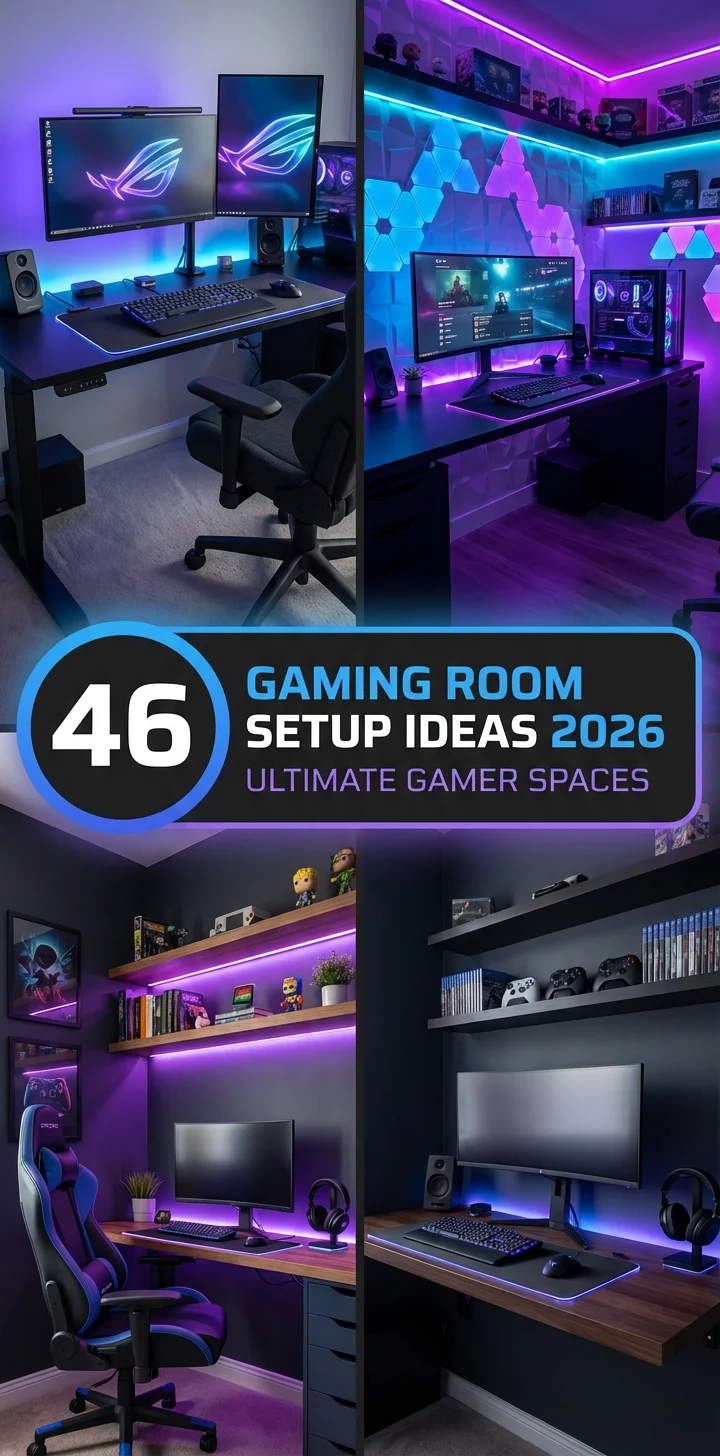
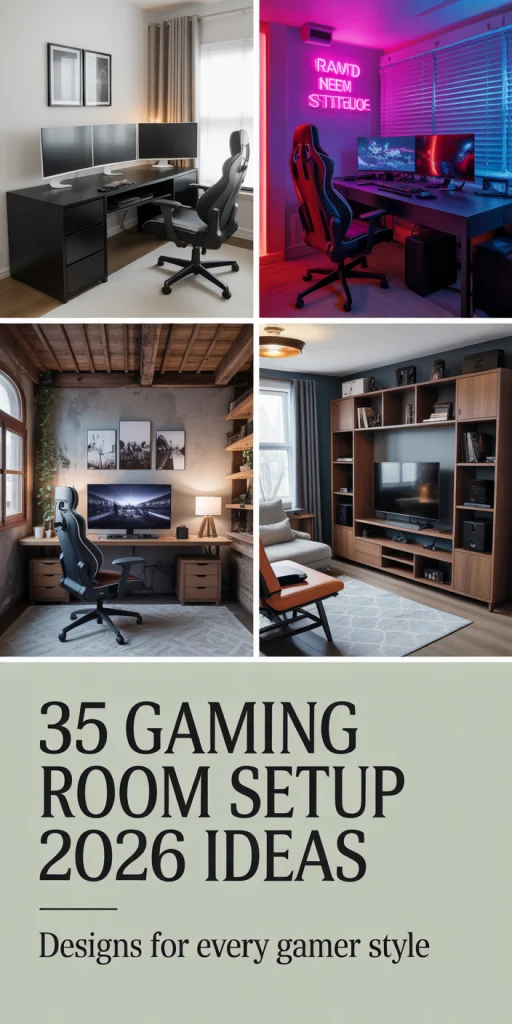
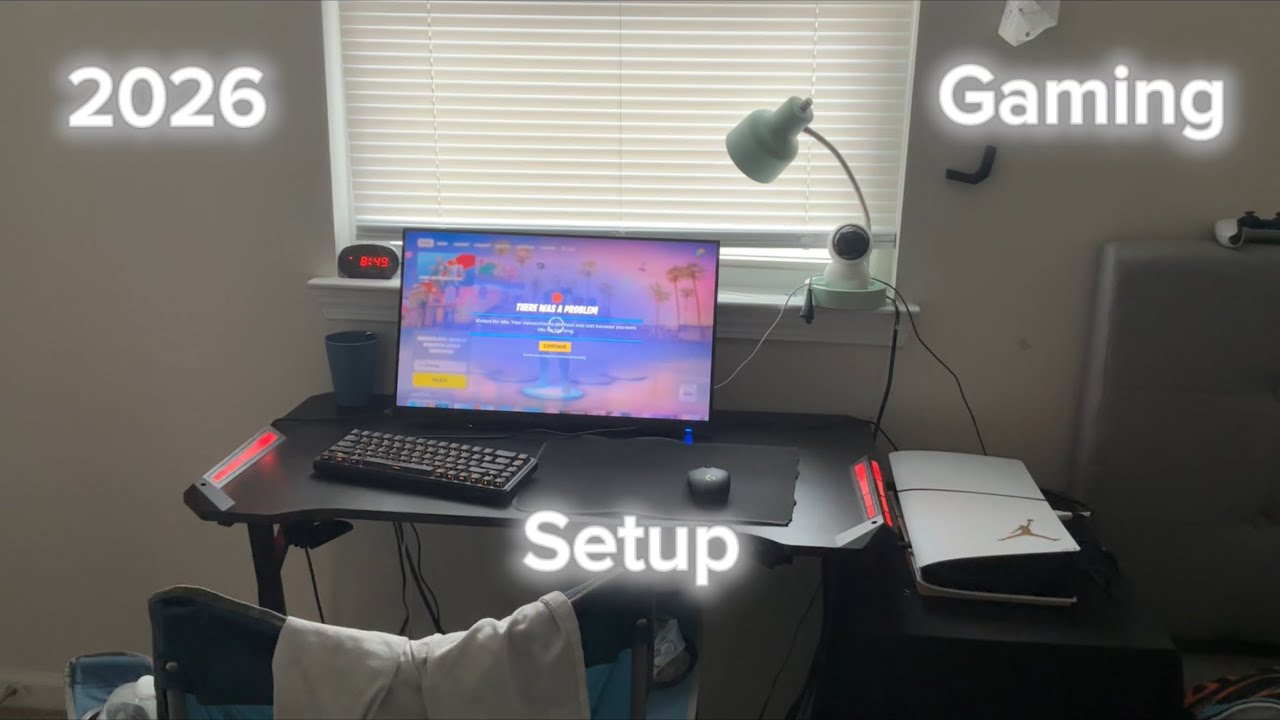
Best Gaming Setups Ideas For 2026 Best Gaming Setup Ideas For 2024 . Gaming Room Setup Ideas 2026 46 Inspiring Looks For Every Style Image 1 4.webp. Gaming Room Setup 2026 30 Aesthetic Cozy Luxury Small Space Couples Vo. 35 Gaming Room Setup 2026 Ideas That Redefine Cozy Minimalist And 44 1. MY ULTIMATE 2026 GAMING SETUP TOUR YouTube
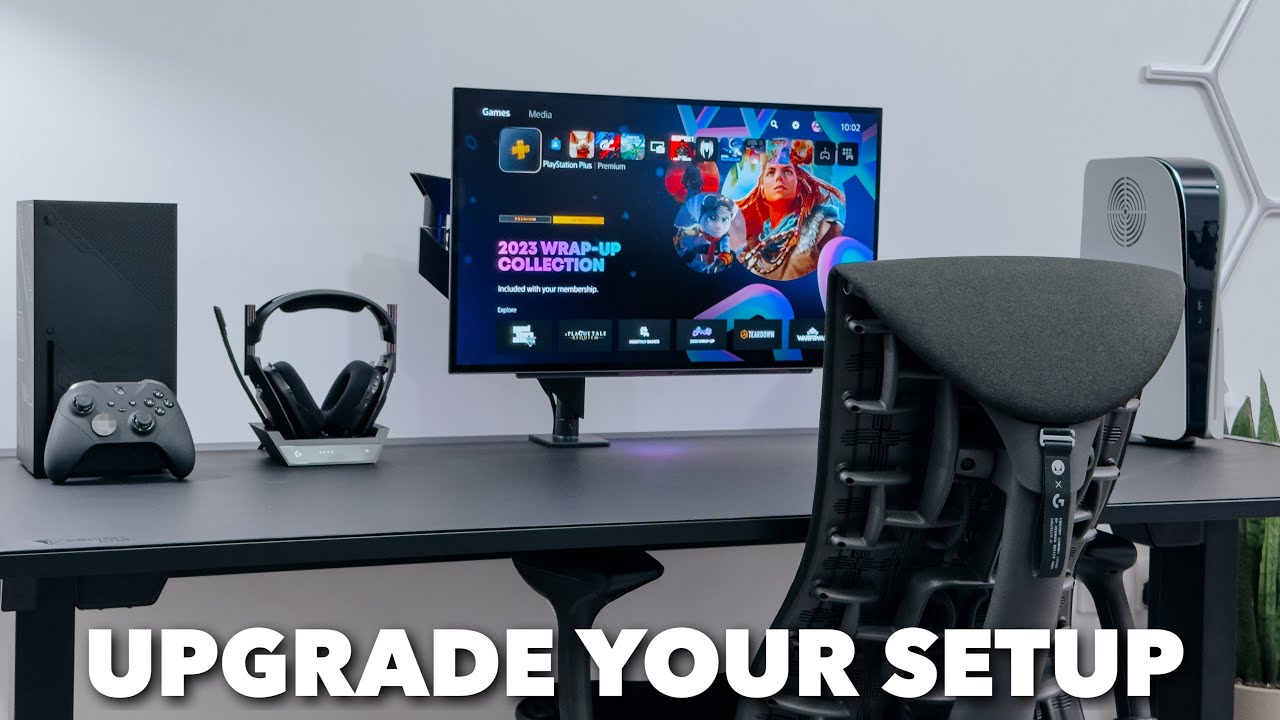

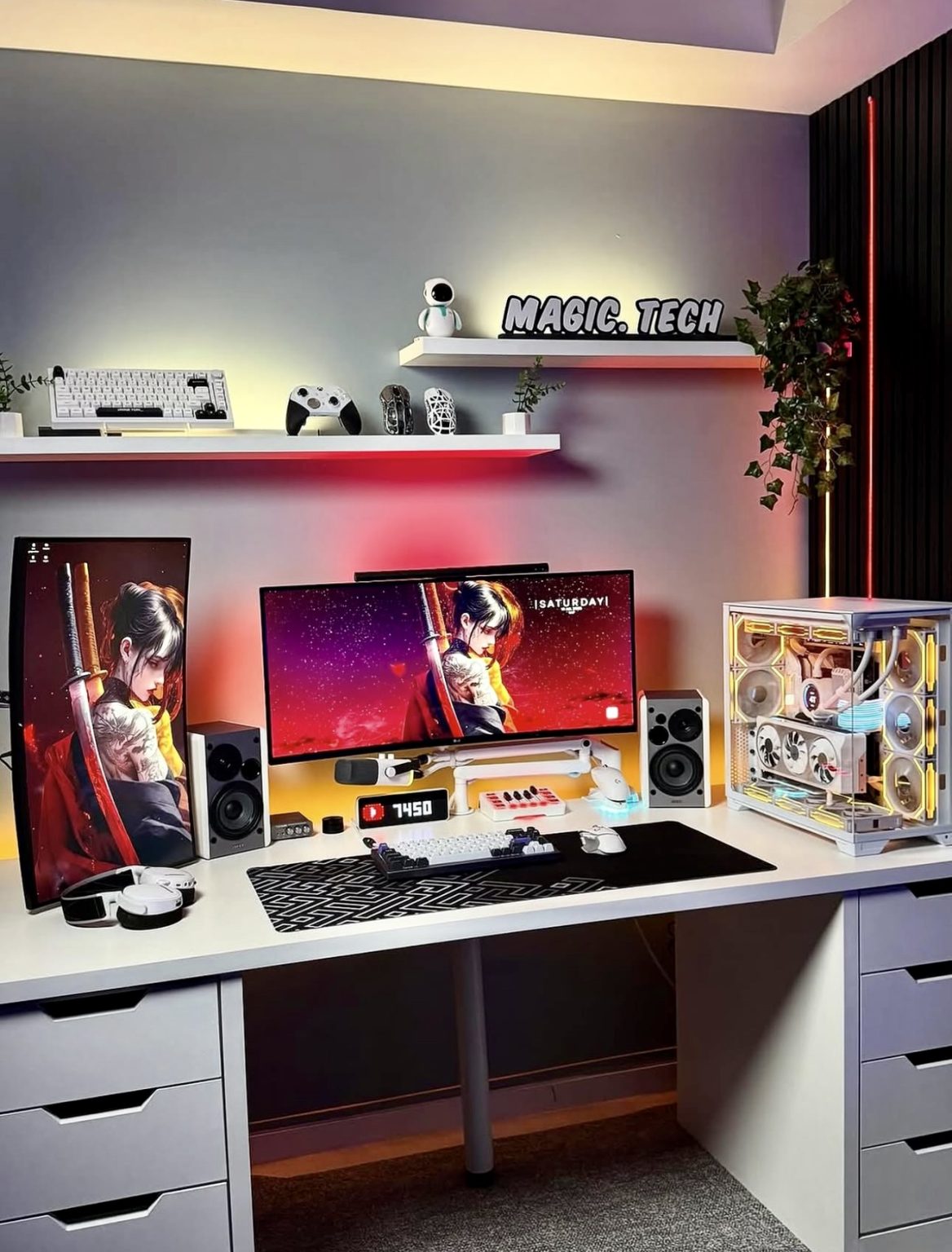


10 Tips To Improve Your Gaming Setup In 2024 Houseterior 10 Tips To Improve Your Gaming Setup In 2024 . Best Gaming Setups Ideas For 2026 Monitor Setups . 35 Gaming Room Setup 2026 Ideas That Redefine Cozy Minimalist And 10 2 1168x1536 . This Is My 2026 Gaming Setup YouTube . Key Factors For The Best Gaming Room Setup 2026 Gaming Setups Monitors

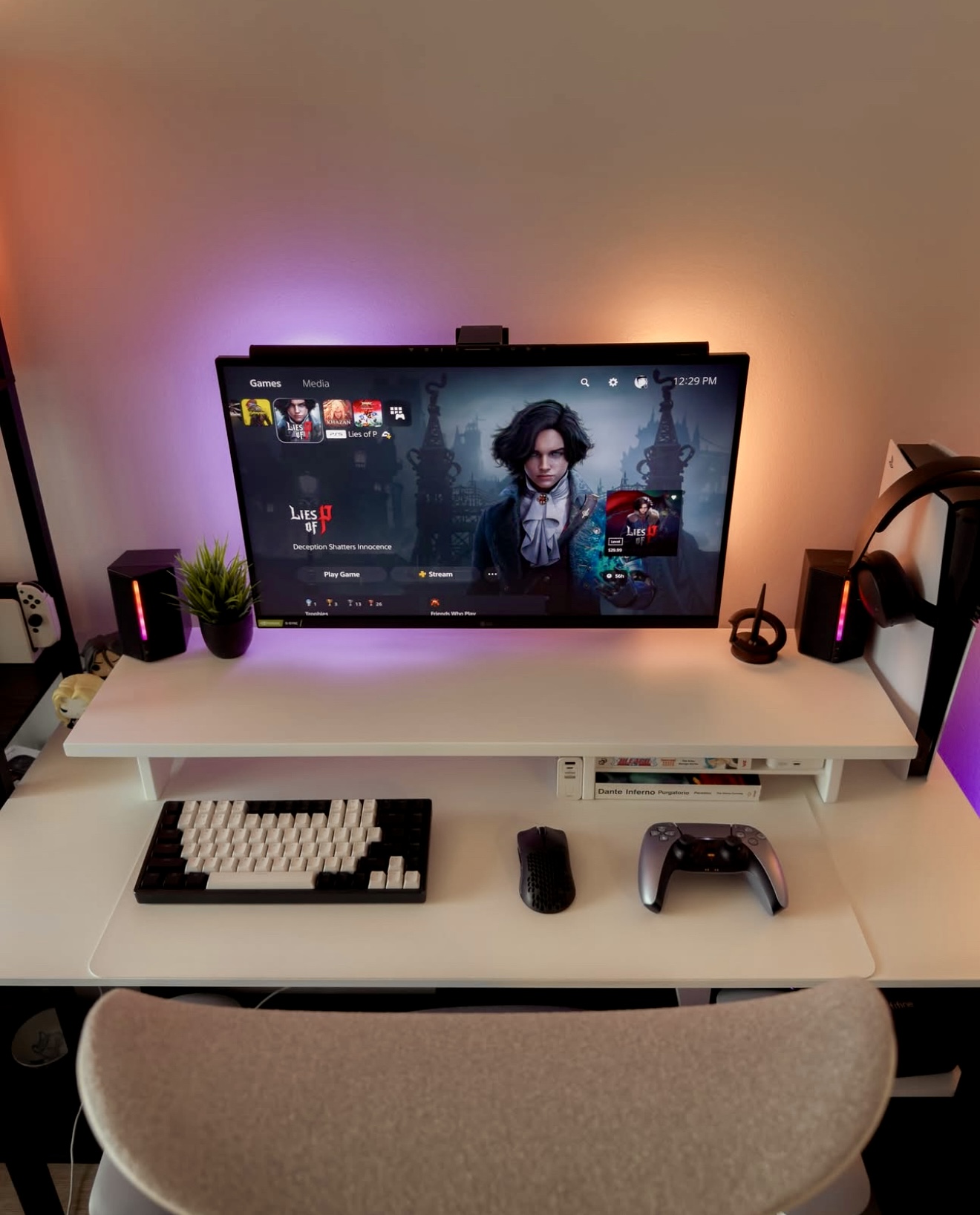
RULER Gaming Setups Top Gaming Ideas In 2026 Games Setups 2 736x450 . 35 Gaming Room Setup 2026 Ideas That Redefine Cozy Minimalist And 14 2 . Best Console Gaming Setup 2026 For Ultimate Experience. Best Gaming Setup The Perfect Gaming Space In 2026 Gaming Setup Ideas . On How To Improve Your Gaming Setup 28 Easy Tips How To Improve Your Gaming Setup
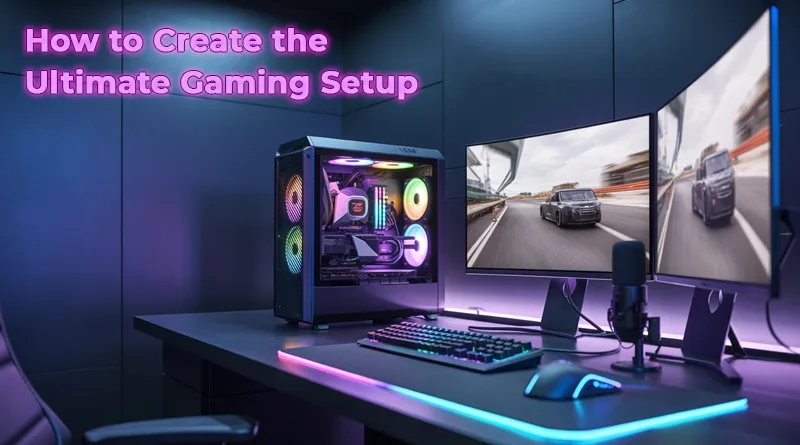


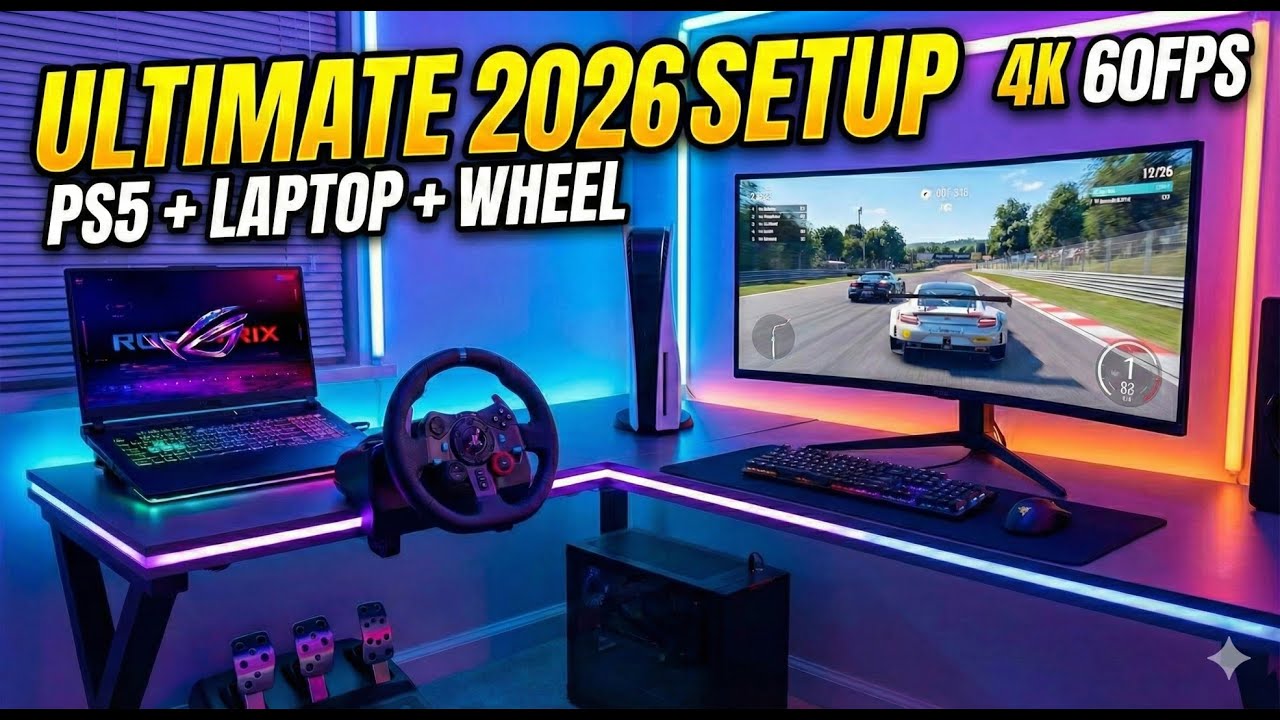
10 Ideas For The Best Gaming Desk Setup In 2026 ACC Gaming Desk Setup . How To Create The Ultimate Gaming Setup A Beginner S Guide 2026 How To Create The Ultimate Gaming Setup.webp. 5 FREE Tips To IMMEDIATELY Improve Your Gaming Setup YouTube . Any Ideas On How To Improve My Setup Feel Like It Could Use Something . MY ULTIMATE 2026 GAMING SETUP FOR GTA ONLINE AND OTHER GAMES PS5

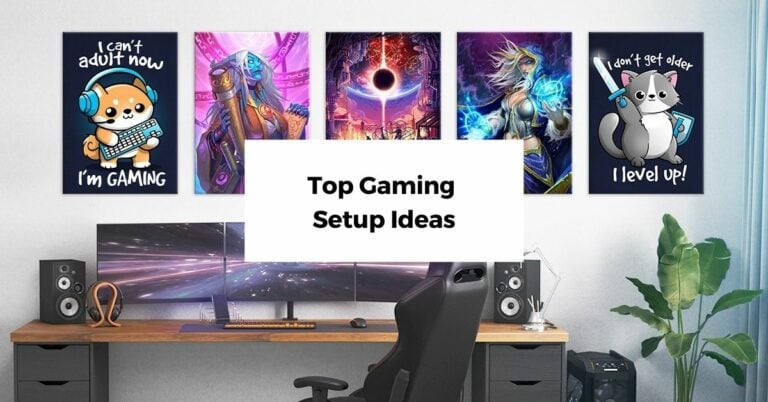

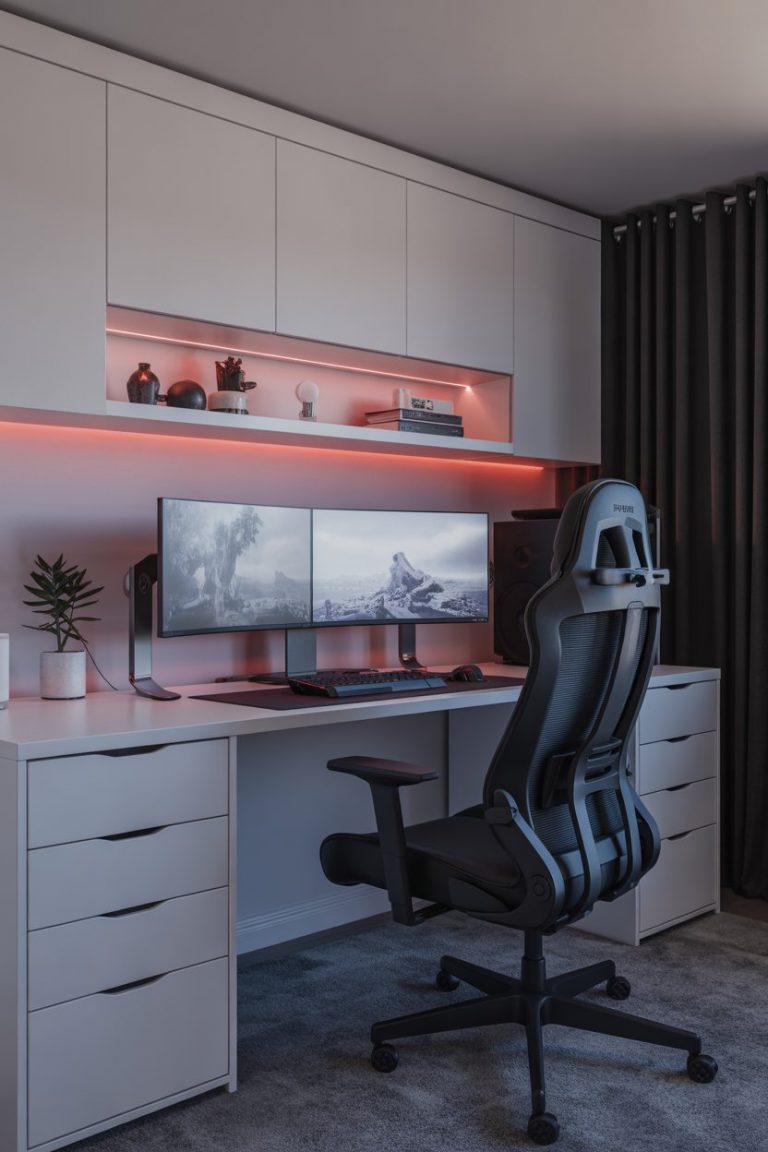

MY 2026 GAMING SETUP AND ROOM TOUR YouTube . 40 Top Gaming Setup Ideas For 2026 Displate Blog 30 Top Gaming Setup Ideas Featured Image 768x402 . Top 8 CHEAP TIPS To Improve Your Gaming Setup In 2024 YouTube . Gaming Room Setup 2026 35 Creative Ideas For Minimalist Cozy Luxury And 1. Minimalist White And Black Setup 768x1152 . 15 Best Gaming Setups Of 2026 DIY Builds Setupgamers Best Gaming Setups Cover 1